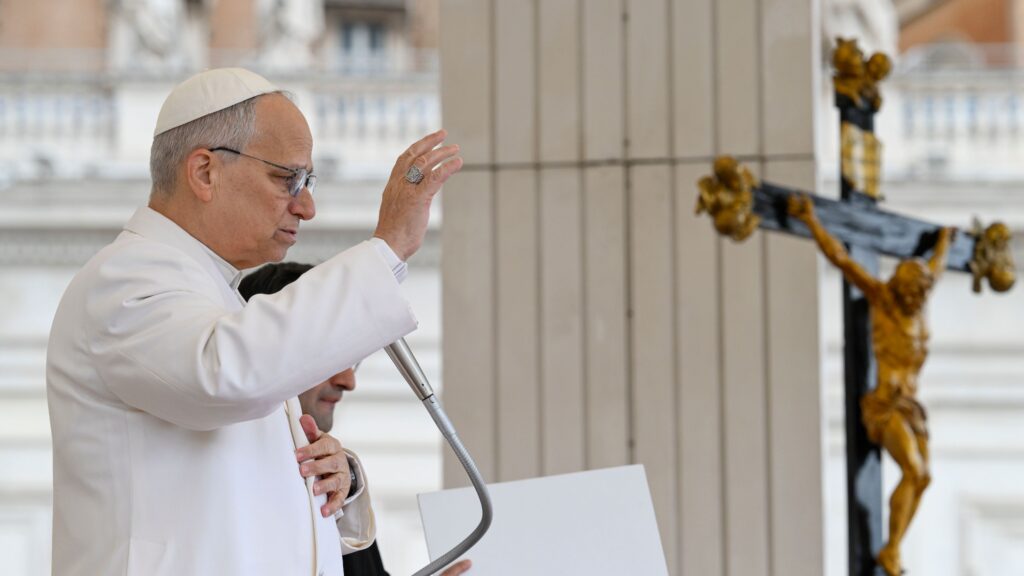
“We are meeting with you today and would like to give wings to your hope. We believe in it. We believe that now, even in the camps for displaced persons, where the situation in the country unfortunately forces you to stay, a new seed that will bear fruit can be born, as from the bare earth.” These were the words Pope Francis spoke to the 2,500 displaced people at the “Freedom Hall” during his visit to South Sudan.
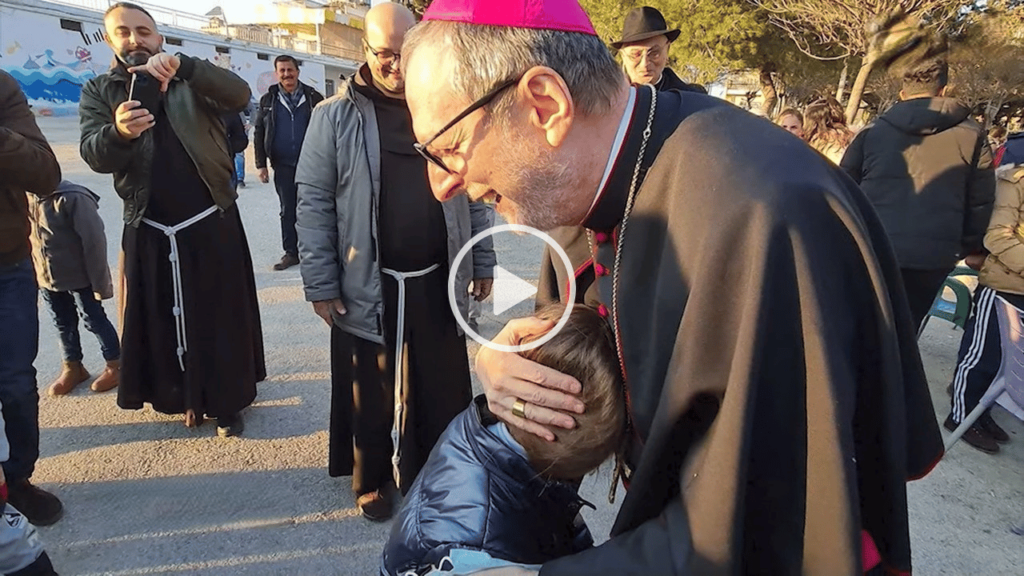
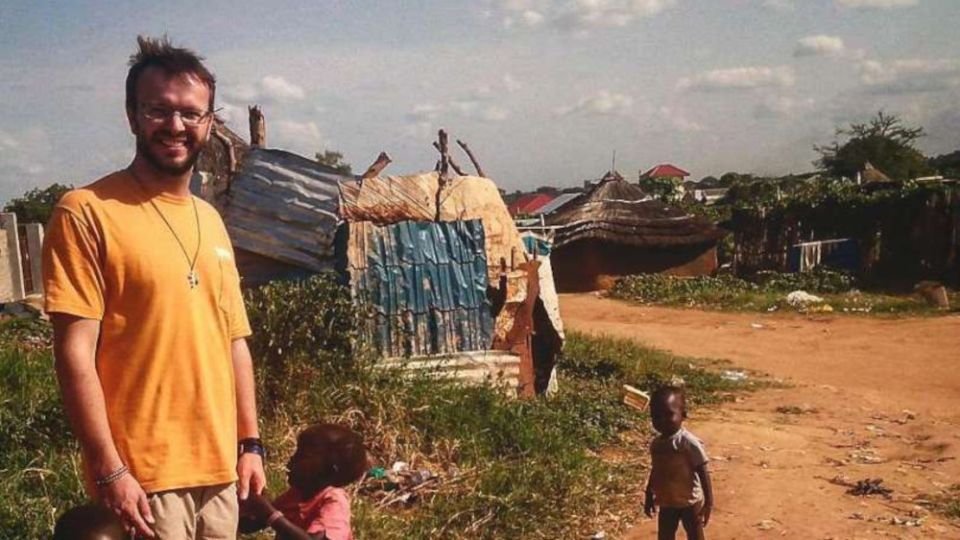
To understand the dramatic living conditions of the approximately 35,000 “internally displaced persons” in Juba, for EWTN Vatican, we interviewed Father Federico Gandolfi, a missionary of the Friars Minor, pastor of Holy Trinity Parish, who heads up the pastoral care in the displaced camp in Juba.
Father Federico, could you tell us briefly about the situation of internally displaced persons in South Sudan, particularly in the Juba camp?
Yes, as you said, the situation is little known because the IDPs in South Sudan, at least in the Juba camp, have reached a very high number. About 35,000 live in conditions that, by United Nations standards, are below the poverty level, so we talk about lack. They are classified as IDPs (internally displaced persons).
When did the Juba IDP camp come into being?
It is a camp that was formed in 2013 because of the civil war that broke out two years after the country’s independence. The living conditions are terrible. The sewers are open. There are no toilets… There are only latrines. Food is difficult to get because they are not free to move around the city, so a mini internal market has been created. Still, the economy practically does not exist, and we are almost at the barter level. There is no health care. Children, but also adults, die from malaria, which is a disease that is very easily treated. With 13 euros, you can buy malaria medicine; instead, they cannot afford it.
What are the numbers of IDPs in Juba?
In Juba, there are these two camps with around 35,000 people. Then there is another unofficial camp formed because of the war, where they are everywhere at 12,000. In the whole country, you reach more than a million displaced people. Not only because of the war, but in the last two years also, climate change caused significant flooding in part of the country, with whole villages and thousands of people being forced to move from their traditional territories.
After Pope Francis’ visit, do you think there is hope for the future?
There is so much hope. The Pope has always made himself feel close to these least ones because they are the least ones in the country. They are those on the peripheries to which he always said, “the Church must go to the peripheries.” So he is giving an example, even to us missionaries, that you can go to the peripheries as we have been here for so many years. It was a visit full of hope, and people needed reconciliation. They need peace, because without peace, justice is impossible. The Pope’s visit was a vital sign of hope that even the world’s prominent people can look to the little ones. A beautiful African says here, “when elephants fight, the one who suffers is the grass.” So we hope that the Pope’s visit will succeed, through his words, his example, in some way and primarily through his prayer, to signal these “big guys” that they need to change.
This story was first published by ACI Stampa, the Italian-language sister service of EWTN News.