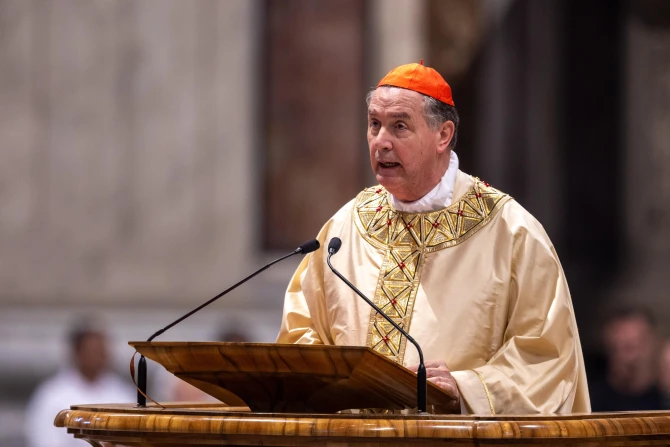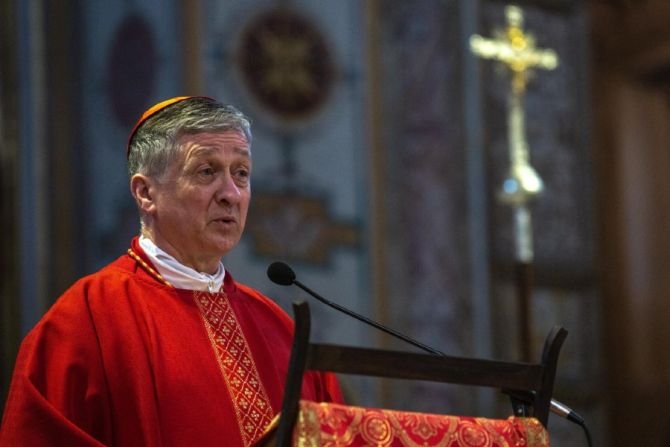
Cardinal Blase Cupich, the archbishop of Chicago, urged Catholics to shed any fears or concerns of the upcoming Synod on Synodality, declaring the gathering to be part of an ancient Catholic tradition that seeks how to “remain faithful to Christ’s own plan” for the Church.
A “synod” is a periodic gathering of bishops in the Catholic Church to address questions of the Church’s faith, morals, and practices. Next month’s synod, the first since 2018, will address synodality itself, which the Vatican defines in part as “the involvement and participation of the whole people of God in the life and mission of the Church.”
Some commentators have expressed concern that the bishops at the synod may move toward proposals for the Church that have been rebuked and discredited by Catholic authorities, including the ordination of women.
In an Aug. 30 letter published in the Chicago archdiocesan newspaper Chicago Catholic, Cupich accused synod critics of “stoking fears” by suggesting that the gathering could “radically alter Church teaching and practice.”
“History has shown that the use of fear tactics by those who resist any kind of renewal that involves change is not new,” the archbishop said.
He cited St. John XXIII’s warning, given at the outset of the Second Vatican Council, to beware of “prophets of doom who are always forecasting disaster” in the life of the Church.
Critics of the synod “totally mischaracterize” its aims and intentions, Cupich said. The bishops at the meeting will be primarily examining how Catholics are “to remain faithful to Christ’s own plan for the Church,” he argued.
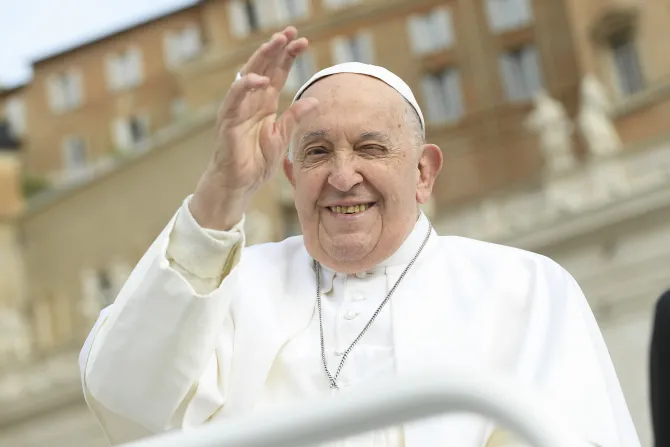
Pope Francis’ calling of the synod, Cupich said, is “in keeping with the vision of his predecessors” and with Vatican II, the cardinal argued; the concept of “synodality” itself “speaks to an ancient reality” of the Catholic Church.
The archbishop cited the Vatican International Theological Commission’s argument that “making a synodal Church a reality is an indispensable precondition for a new missionary energy that will involve the entire people of God.”
“That surely is nothing ever to be feared,” Cupich said.
Cupich is among the delegates traveling to the Vatican next month for the synod, taking place Oct. 4–28.
Next month’s gathering is one part of the multiyear synod process called by Pope Francis in 2021. A second meeting at the Vatican will take place in October 2024.
The event had originally been scheduled to conclude this year, though last year Pope Francis announced the extension of the synod until 2024 “in order to have a more relaxed period of discernment.”