The Catholic Church has entered Holy Week — the most sacred time of the liturgical year — marking the final days of Christ’s Passion, Death, and Resurrection.
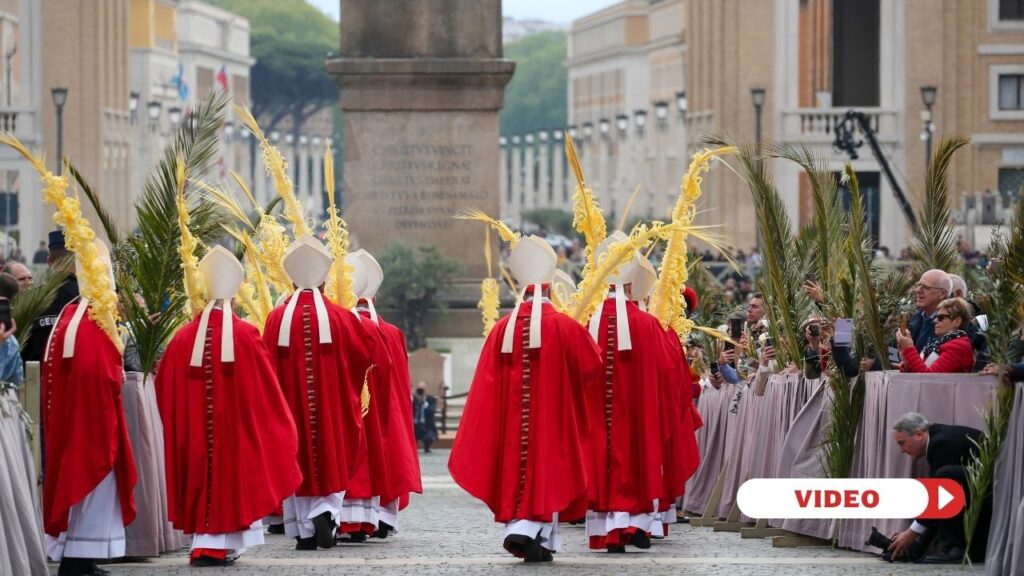
In St. Peter’s Square, Palm Sunday opened the week with a familiar and powerful scene: thousands of faithful waving palm branches, recalling Christ’s entry into Jerusalem and professing their hope in the One who leads them to salvation.
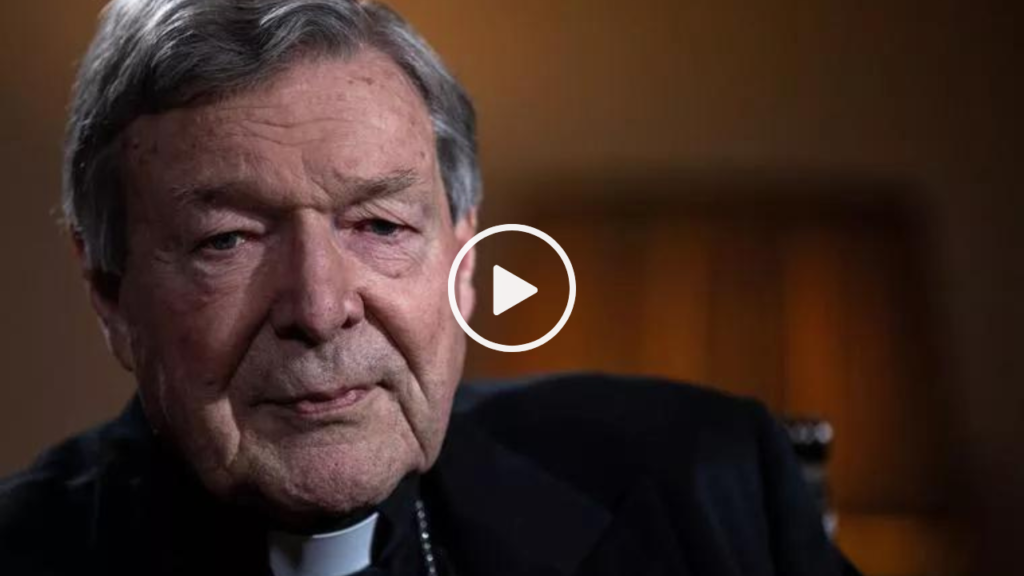
For Father Michael Baggot, Associate Professor of Bioethics at the Pontifical Athenaeum Regina Apostolorum, Holy Week is not simply remembered — it is lived.
As he explains, “Holy Week brings us to the center of the liturgical year and really the center of our life. We live in a very embodied, dramatic way, these key moments of our Lord’s complete self-giving out of love for us. We do not only pray and reflect about it, but we actually go through the liturgical motions with him and with the Christian people. So it is the most dramatic and important week of the Church’s year and life.”
Unity Around the Successor of Peter
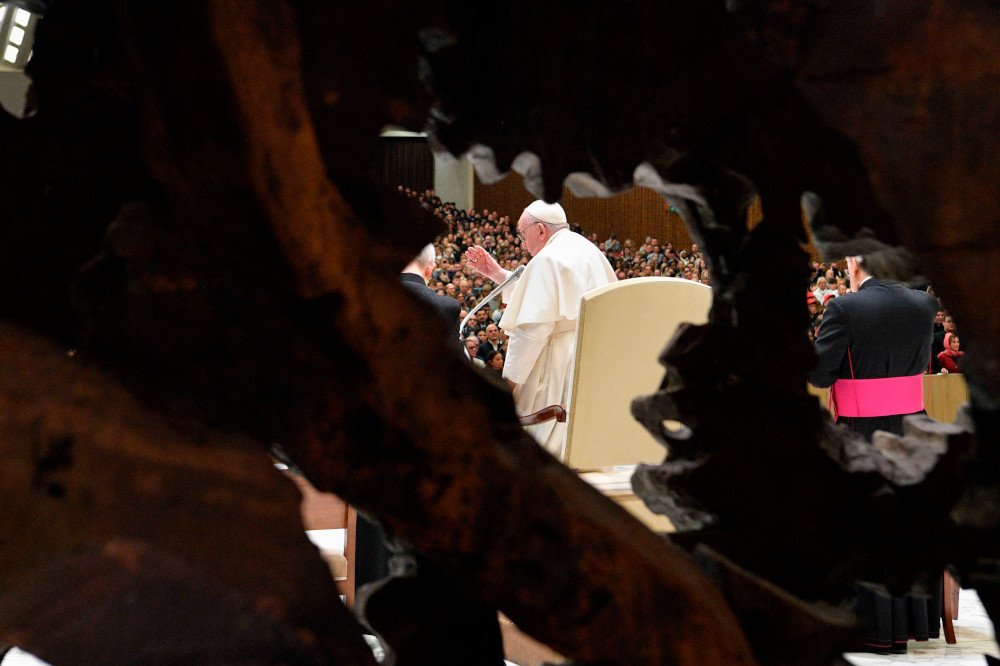
This year holds particular significance, as Pope Leo XIV prepares to celebrate his first Easter Triduum as head of the Catholic Church.
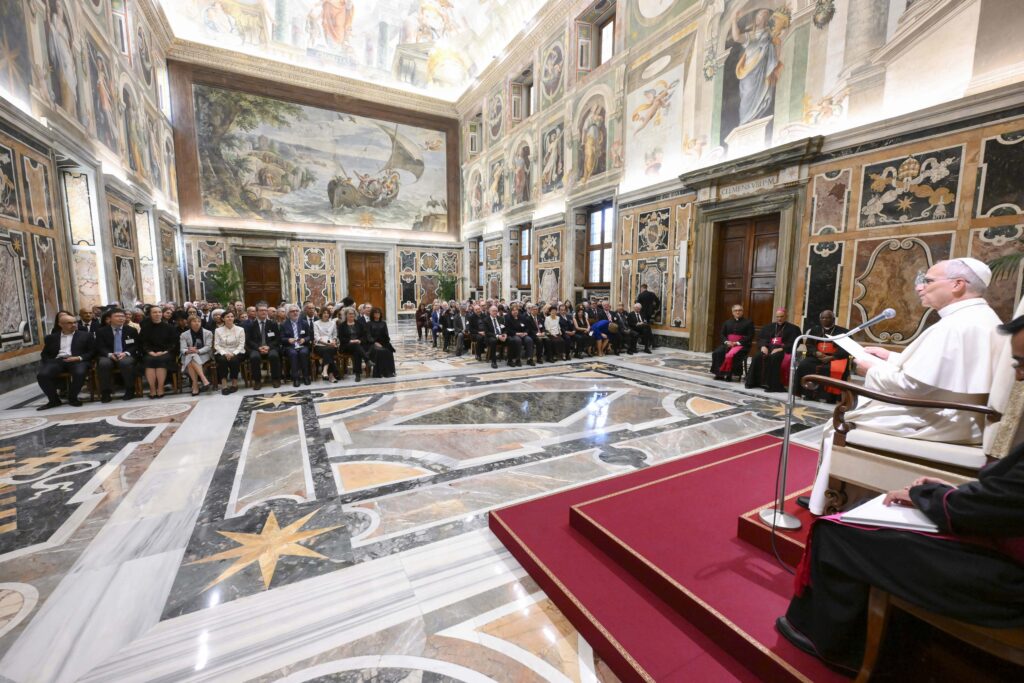
For priests concelebrating these liturgies, the experience is marked not only by solemnity but also by a profound sense of unity. Father Baggot reflects on this dimension, noting that one of the most striking aspects is the gathering of clergy from across the world.
“One of my favorite parts about concelebrating at the Holy Week Masses is having the chance to meet priests from around the world, hundreds of them,” he says. “And even though there are so many different cultures and languages represented, there’s a strong sense of unity, of a shared faith that we profess and that we’re able to celebrate together, united in such a visible way, around the successor of St. Peter.”
The Triduum: From the Last Supper to the Cross
The heart of Holy Week unfolds in the Easter Triduum, which Pope Leo XIV will celebrate from April 2 to April 5.
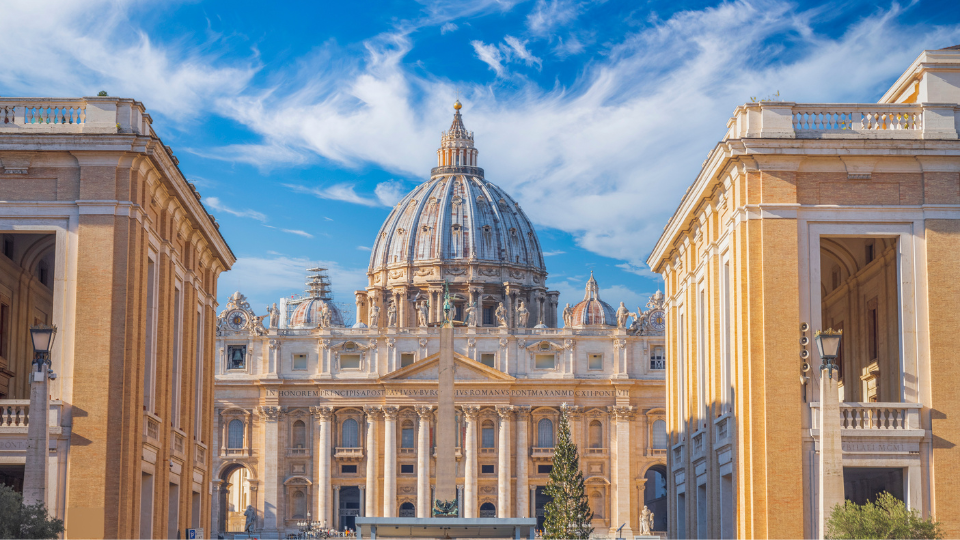
On Holy Thursday, the Holy Father will preside over the Chrism Mass in St. Peter’s Basilica, followed in the evening by the Mass of the Lord’s Supper at the Basilica of St. John Lateran.
Good Friday brings a more somber tone. Pope Leo will celebrate the Passion of the Lord in St. Peter’s Basilica before leading the Via Crucis at the Colosseum — a deeply symbolic reenactment of Christ’s journey to the Cross.
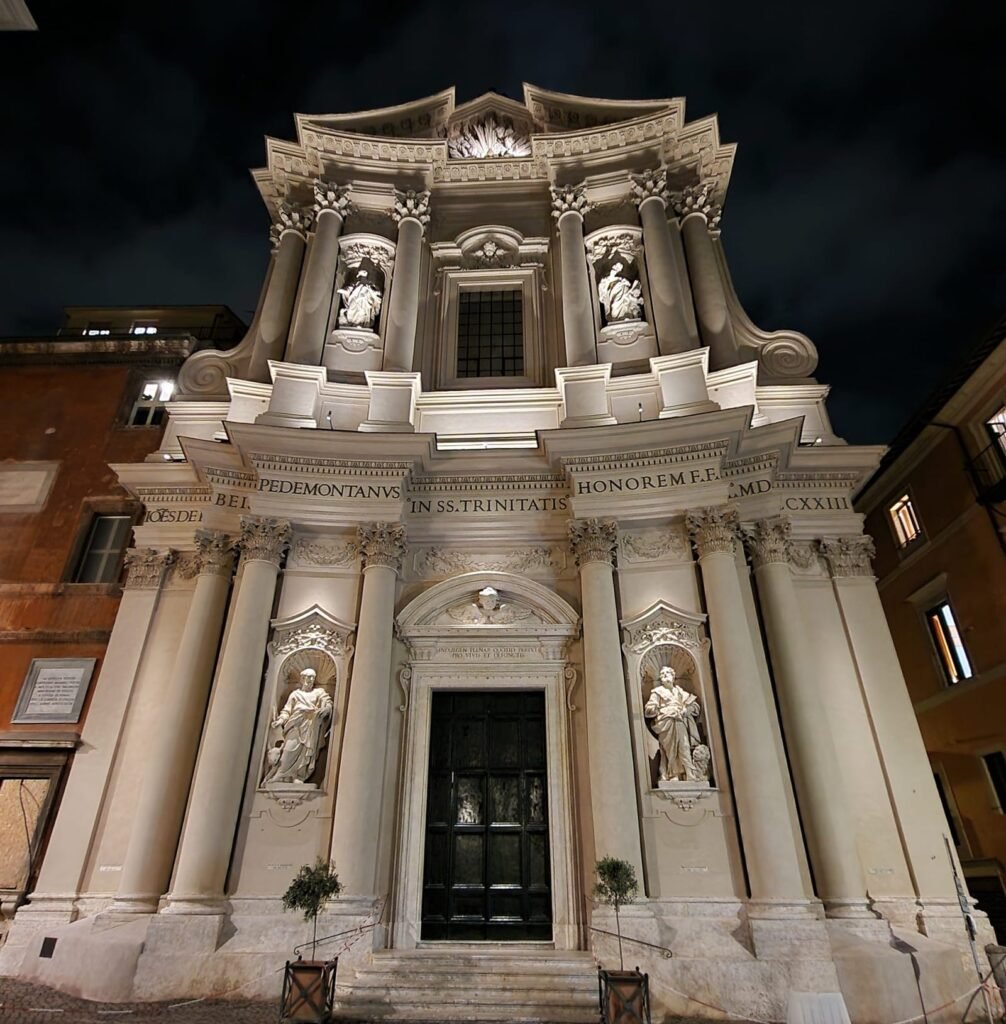
Among those assisting at the Good Friday liturgy will be Deacon Anthony Duns of the Diocese of Port Pirie in South Australia, a student at the Pontifical Beda College in Rome. Reflecting on the opportunity, he describes it as a moment that will shape his future ministry.
“I’m fortunate enough to be there for Pope Leo’s first celebration on Good Friday,” he says. “And it was something that will stick with me for the rest of my life. And it’s something I can always reflect back on in my ministry going forward to my own priesthood.”
He also highlights the deeper meaning of the day at the center of the Christian faith.
“As we move towards Easter, we follow Christ’s life and his passion and death. And on Friday we celebrate… well, it’s more of a remembrance of the pain and struggle he went through and ultimately his death on the cross, which we believe that he destroyed all our sin and everything that keeps us from God. He put on the cross and destroyed it. So, we call it Good Friday in the sense that he’s conquered the things for us that keep us from God.”
From the Darkness of the Cross to the Light of the Resurrection
Holy Week culminates in the celebration of the Resurrection.
On Saturday evening, Pope Leo XIV will preside over the Easter Vigil in St. Peter’s Basilica — a liturgy that moves from darkness into light, symbolizing Christ’s victory over death.
The following morning, Easter Sunday, thousands of pilgrims will gather once again in St. Peter’s Square for the celebration of Mass. At noon, the Holy Father will deliver the traditional Urbi et Orbi blessing from the central loggia of the basilica, extending his message of hope and renewal to the city of Rome and to the world.
In these liturgies, the Church does more than recall past events. It enters into them — walking with Christ from the joy of Palm Sunday, through the sorrow of the Cross, to the triumph of the empty tomb.
Adapted by Jacob Stein. Produced by Alexey Gotovskiy; Camera by Alberto Basile, Fabio Gonnella; Special thanks & Credits to The Pontifical Beda College.