ANALYSIS: Leo presents faith as the foundation of the Church’s message to the world, emphasizing the power of symbols over rhetoric.
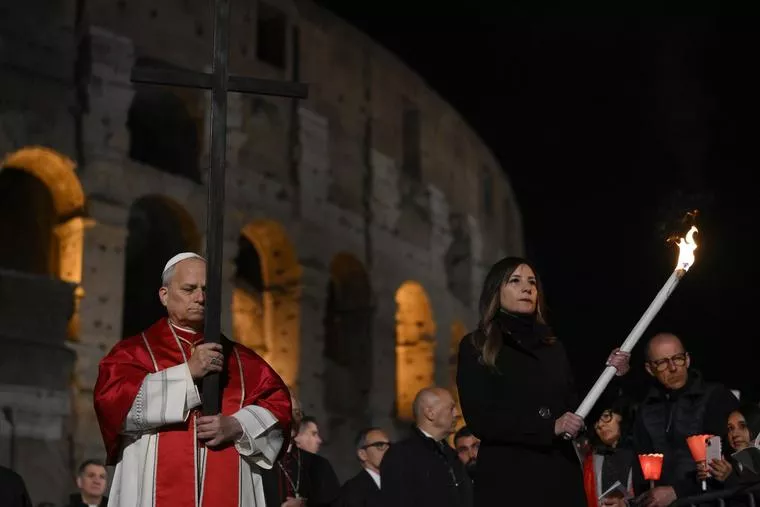
In a move that set the tenor of his first Easter as Roman pontiff, Leo XIV personally carried the cross through all 14 Stations of the Cross at the Colosseum on Good Friday, the first pope in decades to do so.
It was a powerful gesture, not only in that it showed a pontiff hale and hearty — like John Paul II early in his pontificate, and also Paul VI, who established the tradition of the Way of Cross at the Colosseum — but also one who understands the power of symbolic actions. Leo XIV’s gestures are deliberate and rooted in Christian and “Roman” tradition. This is a key to understanding his pontificate.
Choosing to wear the traditional mozzetta on official occasions, reinstating the washing of the feet of priests as apostles at St. John Lateran, and personally carrying the cross (or the monstrance, as he did during the Corpus Domini procession) all signal his intent to center the Church’s identity.
By drawing on these traditions, Leo presents faith as the foundation of the Church’s message to the world, emphasizing the power of symbols over rhetoric.
Starting from this premise, the Pope decided to carry the cross, emphasizing that, in suffering, our eyes must be on Christ. Through this gesture, he aimed to disappear and leave Christ in the foreground, as he stated in his first papal homily in the Sistine Chapel.
Amid these symbolic gestures, the Pope also made the Christians’ global cry for peace all the more explicit.
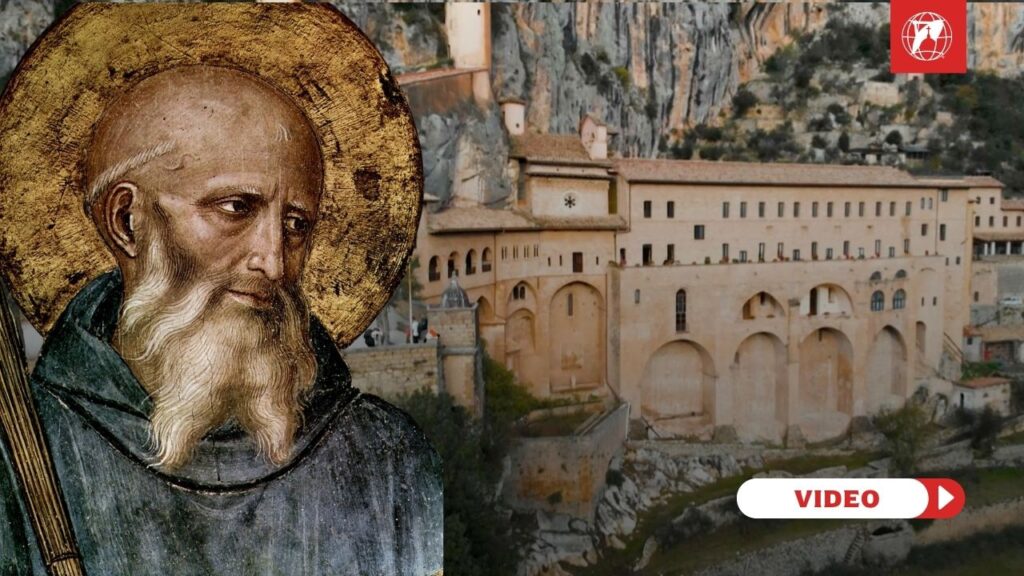
It’s no accident Pope Leo chose Father Francesco Patton, a Franciscan and former custodian of the Holy Land, to write the meditations for the Stations of the Cross. With the eighth centenary of St. Francis’ death being celebrated this year, a Franciscan from a conflict zone delivers a message of peace.
Peace has been at the heart of Leo XIV’s efforts from the very beginning of his pontificate, when, emerging from the Loggia of Blessings for the first time, he invoked the “unarmed and disarming” peace that only Christ can give.
Leo XIV’s appeals for peace have increased in both frequency and intensity, resonating in his homilies and public appearances.
In his Palm Sunday homily, for example, he declared: “This is our God: Jesus, King of Peace … who does not listen to the prayers of those who wage war and rejects them, saying: ‘Even if you multiplied your prayers, I would not listen: Your hands are dripping with blood.’”
In his Easter Sunday urbi et orbi address, Leo was arguably more urgent and resounding.
“In the light of Easter,” he said, “let us allow ourselves to be amazed by Christ!”
“Let us allow our hearts to be transformed by his immense love for us!” Leo said. “Let those who have weapons lay them down! Let those who have the power to unleash wars choose peace!” Although these are strong words of admonition and exhortation, spoken unflinchingly to the powerful, the fact is that Leo XIV’s appeals gain fleeting attention before receding into obscurity. This underscores a disconnect between the Pope’s symbolic communication strategy and the actual influence of his message in today’s media environment.
In his newsletter “Newman” a couple of weeks ago, Matteo Matzuzzi discussed claims of papal silence. Leo XIV is criticized for not speaking clearly about the Palestinians, not directly condemning Israel, and not addressing major conflicts. Critics see his silence as a reluctance to take a stand or side with history.
Matzuzzi raises the key issue: Should a pope take explicit political positions, or should he instead set a general direction and empower Catholics to act? This question lies at the heart of current debates over papal communication and the efficacy of Leo XIV’s chosen approach.
In the final analysis, the Holy See is a global player.
The Holy See maintains diplomatic relations precisely because those relations allow the Holy See to defend the poor and the underprivileged, and the pope is called to take this into account.
Leo XIV’s aim is unity and peace, placing Christ at the center and encouraging Christians to act with faith. His messages often repeat the theme that the priest is an alter Christus, drawing believers to focus on Christ-driven action.
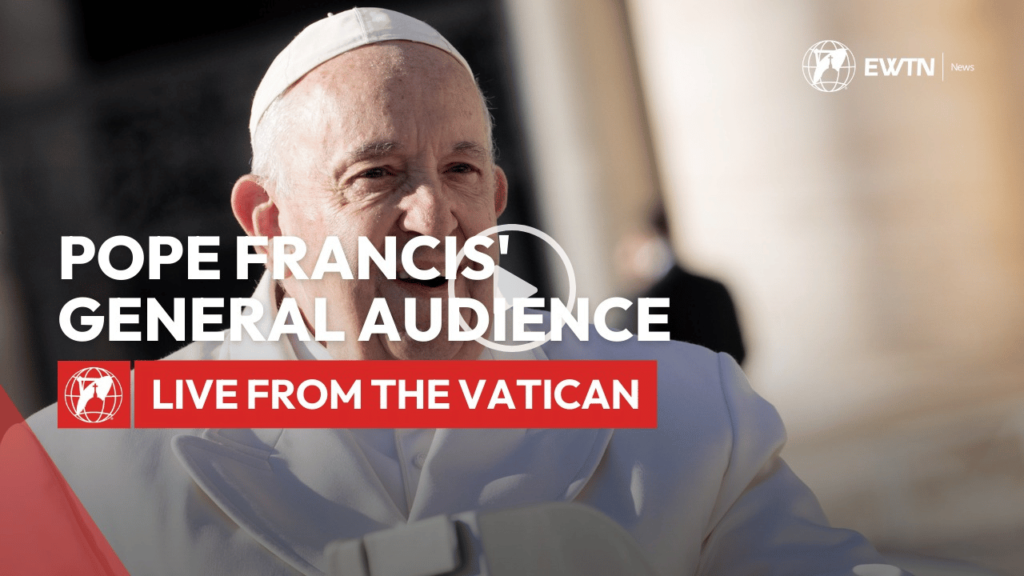
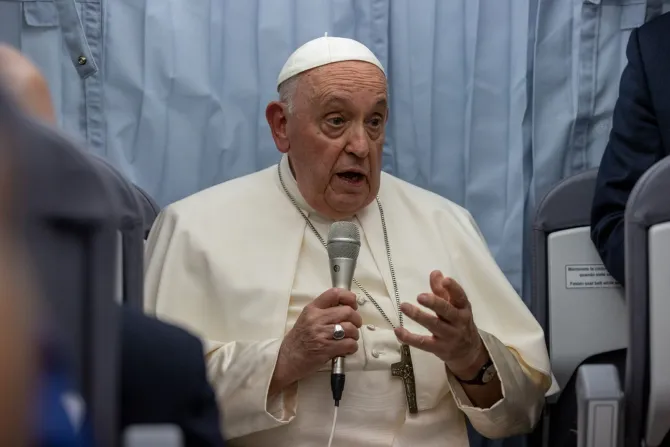
The contrast with Pope Francis’ extemporaneous interventions and willingness to enter direct political debates highlights the main argument: The effectiveness and reception of papal communication depend on whether the pope speaks as a participant or as a guiding symbol.
Francis’ outspoken approach generated immediate engagement but also blurred the Holy See’s unique diplomatic role.
This pleased the press, who saw in Francis a genuine way of doing things and also a champion of all their battles, a “crazy horse” who was destined to create confusion in the Church, in fact opening it up to modernity.
Francis’ “maverick” style, however, had some serious consequences — likely unforeseen and unintended — which remain in need of address.
Diplomacy is a whole language, after all, and abandoning it speaks volumes.
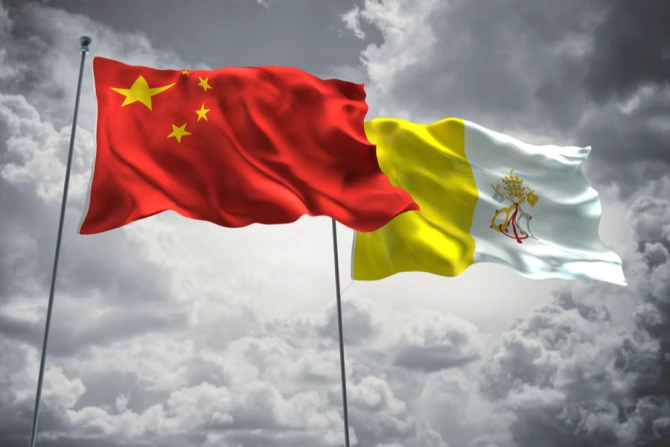
For Pope Francis, discarding diplomatic language also diminished the Holy See’s influence; addressing immediate issues through encyclicals and non-universal documents has made the pope one global player among many, not a prophetic figure; pursuing peace agreements at any cost — beginning with the controversial bishops’ agreement with Communist China — shows the Holy See will take any measures to reach pragmatic goals.
History has given us a pope (Francis) who was widely heard, even controversial, as he was divisive, attacked and praised from all sides. The Francis pontificate, in its turn, left a Holy See weakened in a crucial historical moment.
In recent years, the Holy See has seen its diplomats expelled from Nicaragua, had three mediation attempts fail in Venezuela, and has sent appeals for an end to the war in Ukraine that have fallen on deaf ears and leaving the Holy See basically to retreat into a mainly humanitarian rather than a diplomatic mission.
Leo XIV is restoring the symbols, but he hasn’t yet restored the respect they command.
He’s acting in a rapidly changing environment where communication is extremely fast, so the lack of an immediate response seems to be a disadvantage. But he’s acting first and foremost for the Church.
This displeases many, who wish to influence the Pope. William McGurn wrote a harsh editorial criticizing the Pope’s lack of position, noting Iran can’t be helped by homilies.
These criticisms overlook the pope and the Holy See’s main purpose: to provide balance and seek peace. The Church’s social doctrine is its tool, but actual implementation falls to others. The pope sets the vision; action requires responsibility from all.
It’s an incredibly synodal approach, according to the best discernible meaning of the term, yet it’s contested by all those who have truly championed synodality. Synodality should function as a kind of democratization of the Church, but when it comes to ideology, a position must be taken.
Perhaps for this reason, papal appeals now encounter media indifference.
While past debates over the papal media presence suggested a possible dilution of the message, today’s environment often sidelines the pope’s attempts at mediation — illustrating the challenge of having impact through symbolic communication alone.
On Good Friday, Leo XIV carried the cross, and in the Easter urbi et orbi, he launched his powerful appeal for peace.
The hope is that the Church will also rise again and that the Holy See will once again have an impact on the fate of the world. It doesn’t have to have a visible impact; it doesn’t need headlines. It must have a real effect.
This article was originally published by EWTN News English.