All eyes have turned to Vatican City as the conclave to elect Pope Francis’ successor is set to begin May 7.
Several famous and well-visited locations within Vatican City have been transformed for the conclave. Here’s a map of the key locations within Vatican City you should know about as the conclave begins.
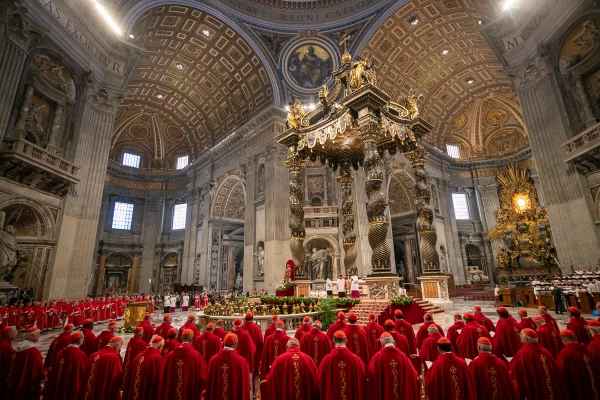
The largest and arguably the grandest Catholic church in the world, St. Peter’s Basilica has already hosted a number of important events in the papal transition, including Pope Francis’ three days of lying in state and the late pope’s funeral.
On the morning of May 7 the conclave will commence — with all the cardinals present — with the Holy Mass for the Election of the Roman Pontiff in St. Peter’s Basilica.
The Pauline Chapel
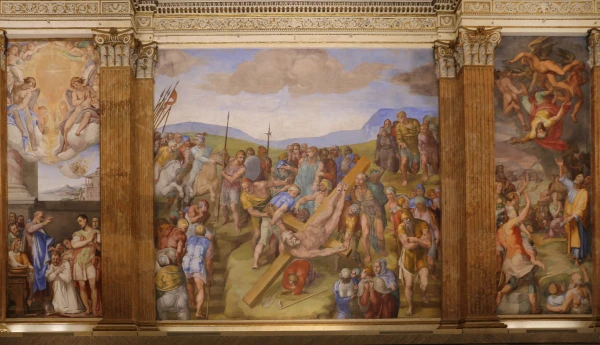
Located in the Apostolic Palace, the cardinal electors typically assemble here at a suitable hour in the afternoon following the Mass at St. Peter’s before solemnly processing to the nearby Sistine Chapel for the election. (For the 2005 conclave, the cardinals instead processed from the Hall of Benediction because the Pauline Chapel was undergoing renovations.)
The Sistine Chapel
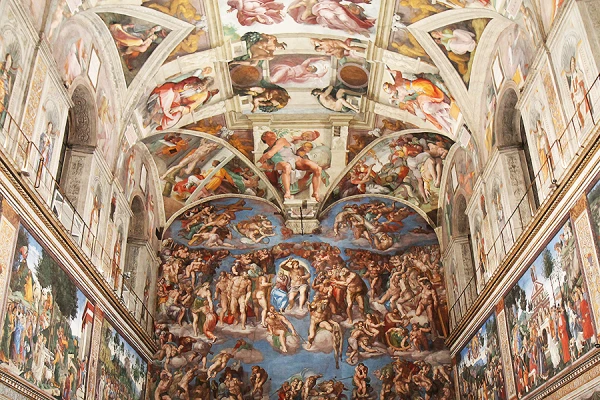
The Sistine Chapel is, by law, the principal location where the election of the pope takes place, having been used for this purpose for nearly 600 years.
The chapel derives its name from Pope Sixtus IV, who commissioned the restoration of a chapel that stood where the Sistine Chapel stands today. Sixtus IV consecrated the chapel in 1483, and a later pope, Julius II, entrusted the work of decorating the chapel ceiling to Michelangelo di Lodovico Buonarroti Simoni. Michelangelo’s work on the chapel, particularly its ceiling, is considered by many to be one of the greatest artistic achievements of all time.
When the cardinals make their entrance into the Sistine Chapel, they chant the “Veni Creator Spiritus,” invoking the Holy Spirit’s guidance. Once inside, each cardinal will take an oath to observe the procedures, maintain secrecy, and vote freely for the candidate he believes most worthy.
When the last of the cardinal electors has taken the oath, the master of papal liturgical celebrations, Archbishop Diego Ravelli, will give the order “Extra omnes” (“Everyone out”), indicating that all those not taking part in the conclave must leave the Sistine Chapel.
The chapel will be totally sealed to anyone not involved in the conclave until a new pope is chosen, a stark contrast to the usual hoards of visitors — over 5 million each year — who constantly come through each day to experience the famous room.
Whenever the cardinals leave the chapel — such as for meals and to sleep — they are not allowed to discuss anything about what took place inside.
Domus Sanctae Marthae

Opened under Pope John Paul II in 1996, this building, the Vatican guesthouse, is where the cardinal electors and those legitimately called to cooperate in the election process are fed and lodged during the conclave. Pope Francis lived here his entire papacy, eschewing the traditional apartment at the Apostolic Palace, and died in his room there.
Arrangements have been made to ensure the Domus (also called the Casa Santa Marta in Italian) is ready for suitable lodging. The infirmarii — three randomly selected cardinals tapped to help sick cardinals vote — will go to this location to collect votes from any sick cardinals confined to their rooms.
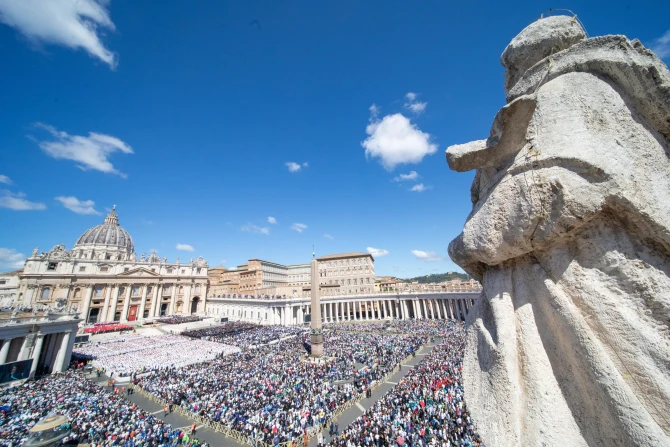
St. Peter’s Square
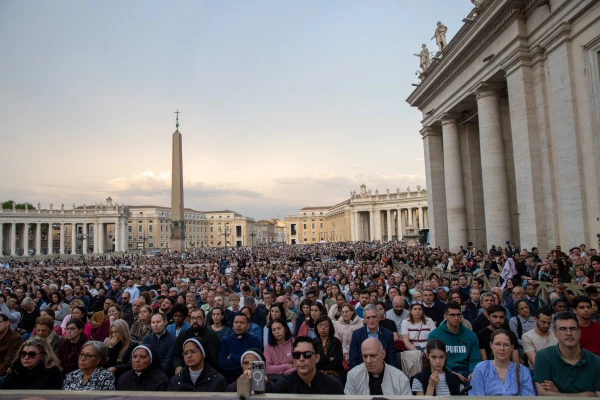
Traditionally, Catholics from all around the world pack into St. Peter’s Square during the conclave, praying and watching for the signature white smoke to rise from the chimney of the Sistine Chapel.

When a voting session concludes without a man reaching the required majority, the ballots are burned with wet straw, causing black smoke to emanate from the chimney of the Sistine Chapel. However, if a pope is elected, the ballots are burned with the addition of a chemical agent, producing the famous white smoke.
The Loggia of the Blessings
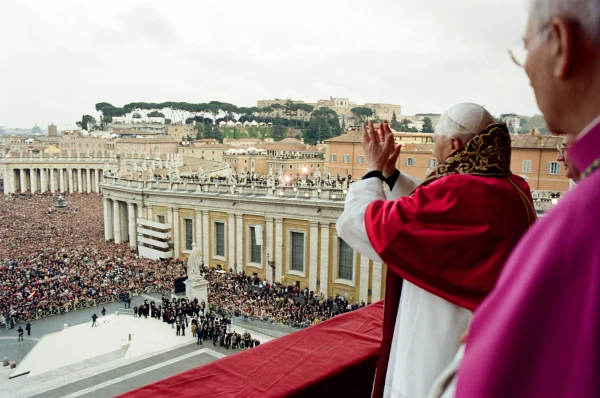
The central balcony, or loggia, of St. Peter’s Basilica is called the Loggia of the Blessings and is the traditional place where the new pope is introduced to the world after his election.
The senior cardinal deacon announces from the loggia to those gathered in St. Peter’s Square: “Habemus papam!” (“We have a pope!”) and what name he has taken. The newly elected pope then comes out to address and bless the city and the world (“urbi et orbi”).
This article was originally published by Catholic News Agency.