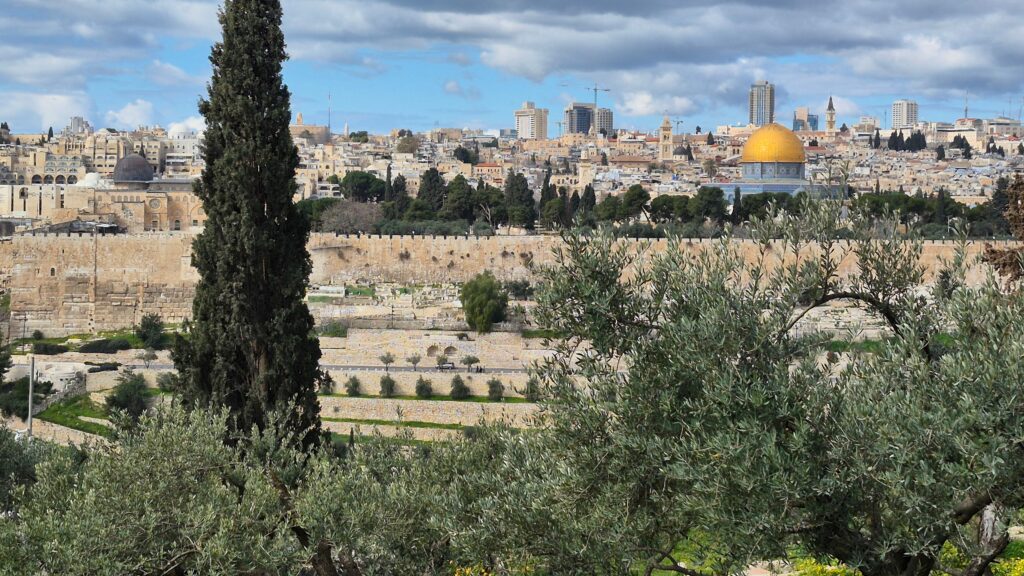
The announcement came after the Latin patriarch of Jerusalem and the custos of the Holy Land were restricted from entering the Church of the Holy Sepulchre on Palm Sunday.
In a notable development, a joint statement was issued Monday by the Latin Patriarchate of Jerusalem and the Custody of the Holy Land announcing an agreement had been reached with the Israeli authorities regarding arrangements for Holy Week and Easter celebrations at the Church of the Holy Sepulchre.
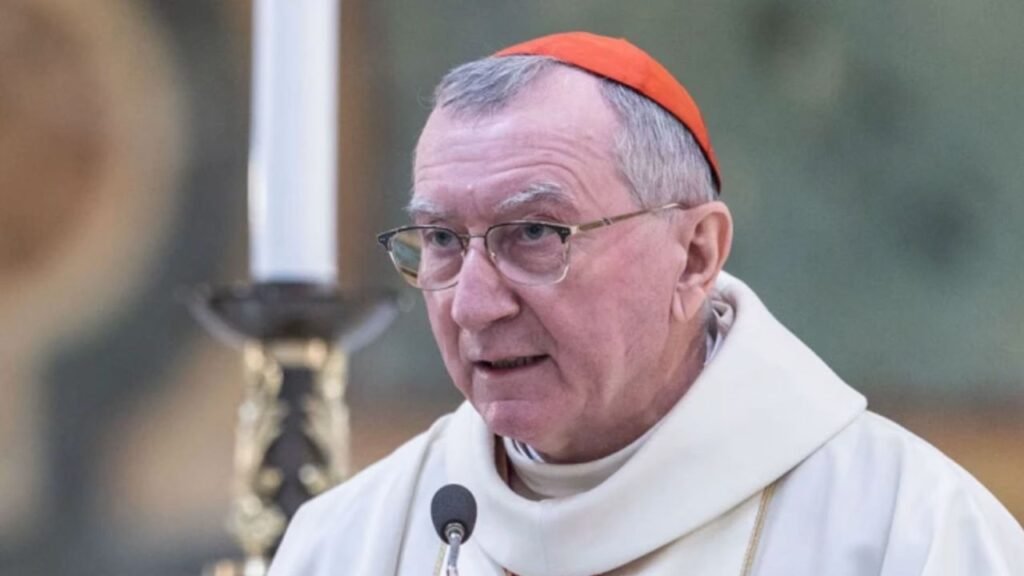
The March 30 announcement came after hours of tension and controversy over restrictions on access to the holy sites, which affected Cardinal Pierbattista Pizzaballa, Latin patriarch of Jerusalem, and Father Francesco Ielpo, custos of the Holy Land.
Israeli police prevented Pizzaballa and lelpo from entering the Church of the Holy Sepulchre as they made their way to celebrate Palm Sunday Mass.
A temporary settlement under the weight of war
The statement said that, in coordination with the Israeli police, access had been guaranteed for Church representatives to celebrate Masses and religious rites in a way that preserves the Church of the Holy Sepulchre’s long-standing Easter traditions, while restrictions on public gatherings remain in force for the time being. It also stated that the churches will livestream prayers and celebrations to the faithful.
The statement thanked Israeli President Isaac Herzog for his “swift and valuable” intervention and also praised supportive international positions and outreach to the Church. It stressed that faith is a fundamental human value shared by all religions and that safeguarding freedom of worship is a basic shared duty.
The Church also affirmed that it would continue its dialogue with the authorities, expressing hope that the restrictions will be lifted and that the church will once again be fully reopened to all worshippers.
Netanyahu justifies the measures, then reverses course
At the same time, Israeli Prime Minister Benjamin Netanyahu sought to contain the crisis through a post on X, saying he had instructed officials to allow Pizzaballa immediate entry into the Church of the Holy Sepulchre so that he could celebrate the prayers.
Netanyahu justified the earlier measures by citing security threats, accusing Iran of targeting religious sites in Jerusalem with ballistic missiles in recent days and saying the temporary restrictions had been imposed “to protect worshippers of all faiths.”
At the same time, however, he acknowledged that preventing the patriarch from celebrating Mass had created a problem that required his direct intervention to correct.
Sharp European criticism
Despite the announcement of the settlement, international reactions did not subside, with Europe voicing clear criticism of the Israeli measures. European Union foreign policy chief Kaja Kallas said that preventing the patriarch from entering the Church of the Holy Sepulchre on Palm Sunday was “a violation of freedom of worship” and of the historic arrangements governing the holy sites. She stressed that this freedom must be fully guaranteed, without exception, for all religions.
In Rome, Italian Prime Minister Giorgia Meloni described the step as “an offense to the faithful,” while Foreign Minister Antonio Tajani announced that the Israeli ambassador had been summoned over the incident.
In Paris, French President Emmanuel Macron expressed his condemnation of the decision, saying it comes amid “a troubling increase in violations” affecting the status quo at Jerusalem’s holy sites and affirming his full support for Pizzaballa and for Christians in the Holy Land.
The Holy See Press office on Monday evening released a statement saying Vatican Secretary of State Cardinal Pietro Parolin as well as Archbishop Paul Gallagher, secretary for relations with states, met with Israeli Ambassador to the Holy See Yaron Sideman.
“During the conversation, regret was expressed over what had happened; clarifications were provided regarding the matter, and note was taken of the agreement reached between the Latin Patriarchate of Jerusalem and the local authorities concerning participation in the liturgies of the Holy Triduum at the Basilica of the Holy Sepulchre in Jerusalem,” the Holy See statement said.
This story was updated at 4:11 p.m. ET on March 30, 2026, with the statement from the Holy See Press Office.
This article was originally published by EWTN News English.