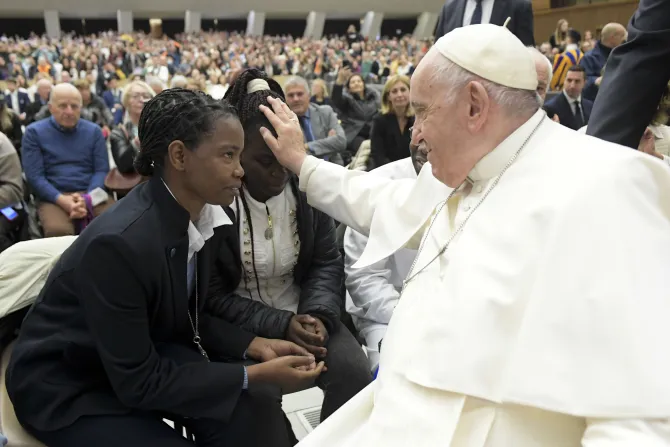
Sickness and vulnerability is scary because it is a threat to the culture of efficiency, Pope Francis said on Tuesday, in a message published ahead of the World Day of the Sick.
“We are rarely prepared for illness. Oftentimes, we fail even to admit that we are getting older,” the pope said Jan. 10. “Our vulnerability frightens us and the pervasive culture of efficiency pushes us to sweep it under the carpet, leaving no room for our human frailty.”
“We are all fragile and vulnerable, and need that compassion which knows how to pause, approach, heal, and raise up. Thus, the plight of the sick is a call that cuts through indifference and slows the pace of those who go on their way as if they had no sisters and brothers,” he said.
The Catholic Church will mark the 31st annual World Day of the Sick on Feb. 11, the Feast of Our Lady of Lourdes. The Sanctuary of Our Lady of Lourdes in southwestern France is associated with the sick because of the presence of a miraculous spring from which many people have obtained physical healing.
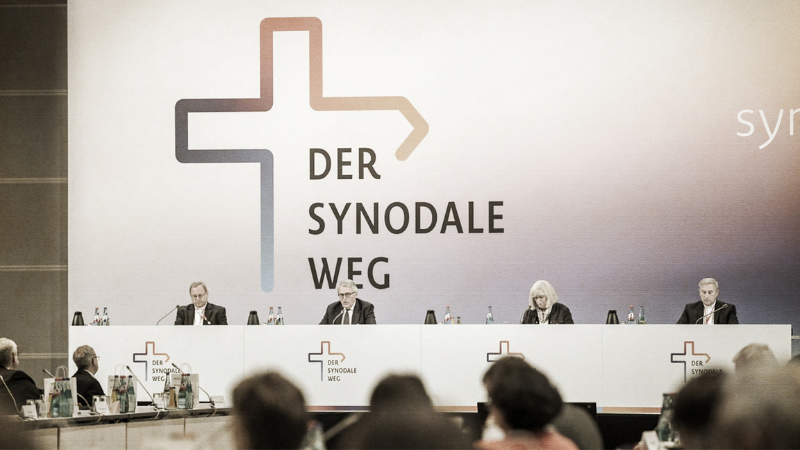
This year’s papal message is titled “Take care of him: Compassion as a synodal exercise of healing.”
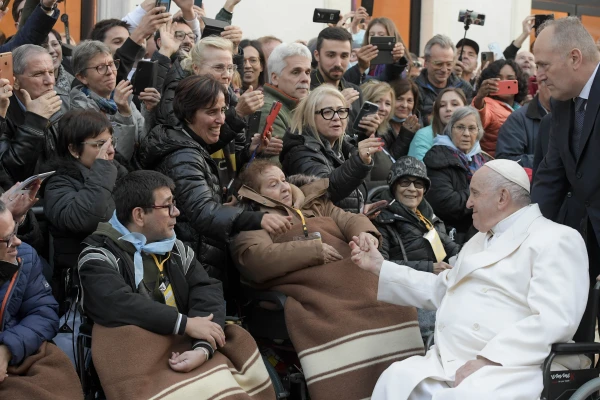
“It is not only what functions well or those who are productive that matter,” Pope Francis said. “Sick people, in fact, are at the center of God’s people, and the Church advances together with them as a sign of a humanity in which everyone is precious and no one should be discarded or left behind.”
He said it is crucial that the whole Church strive to follow the example of the Good Samaritan.
Just as the Samaritan asked the innkeeper to take care of the wounded man, “Jesus addresses the same call to each of us,” Francis said.
“As I noted in Fratelli Tutti, ‘The parable shows us how a community can be rebuilt by men and women who identify with the vulnerability of others, who reject the creation of a society of exclusion, and act instead as neighbors, lifting up and rehabilitating the fallen for the sake of the common good’ (No. 67),” he said.
“Indeed,” the pope continued, “‘we were created for a fulfillment that can only be found in love. We cannot be indifferent to suffering’ (No. 68).”
Pope Francis also noted that sickness and weakness are part of the human journey, thus, it can be an act of synodality to walk together in community with those who are suffering.
“I invite all of us to reflect on the fact that it is especially through the experience of vulnerability and illness that we can learn to walk together according to the style of God, which is closeness, compassion, and tenderness,” he said.
Pope Francis also addressed the role injustice plays in the lack of access to adequate medical care which many people experience.
The COVID-19 pandemic, he said, showed the limits of existing public welfare systems.
“It is no longer easy to distinguish the assaults on human life and dignity that arise from natural causes from those caused by injustice and violence,” he said.
“In fact,” he continued, “increasing levels of inequality and the prevailing interests of the few now affect every human environment to the extent that it is difficult to consider any experience as having solely ‘natural’ causes. All suffering takes place in the context of a ‘culture’ and its various contradictions.”