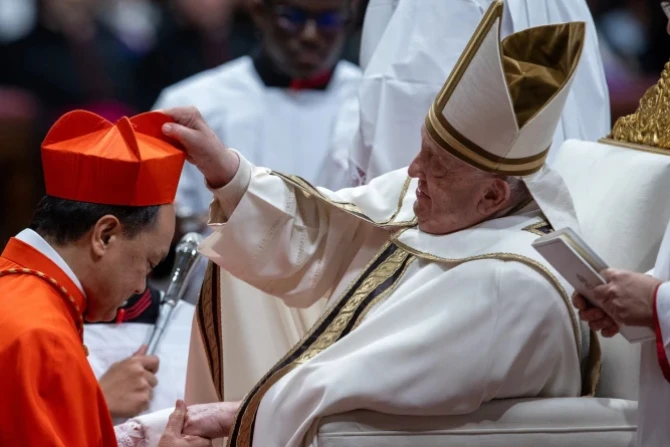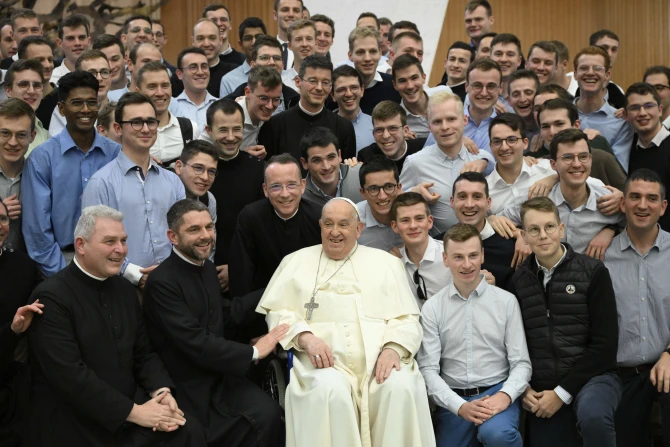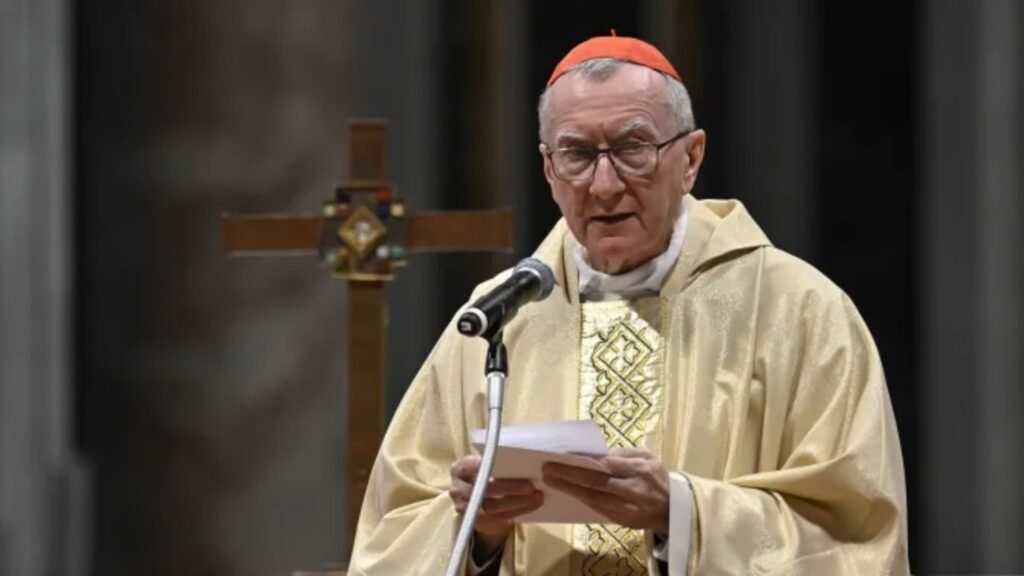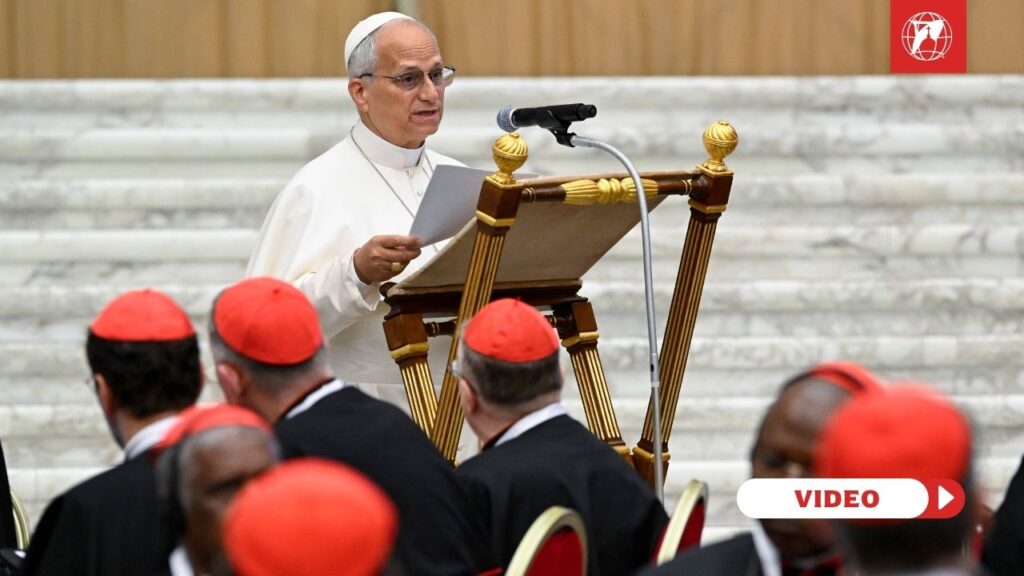
VATICAN CITY — Clad in scarlet red to symbolize the blood of the martyrs, the cardinals of the Catholic Church are among the pope’s closest collaborators.
Known as the “Princes of the Church,” they advise the Holy Father on matters affecting the universal Church and, when a pope dies or resigns, gather in conclave to elect his successor.
While their role during a papal election is well known, cardinals also come together in consistories—formal meetings convened by the pope to discuss important questions facing the Church.
Pope Leo XIV convenes an extraordinary consistory
Shortly after his election, Pope Leo XIV emphasized the importance of the College of Cardinals in assisting the Successor of Peter in governing the Church.
“Your presence reminds me that the Lord, who has entrusted me with this mission, will not leave me alone in bearing its responsibility,” the pope told the cardinals on May 10, two days after his election.
On June 26 and 27, 2026, Pope Leo XIV summoned 178 cardinals to Rome for an extraordinary consistory. He explained that the gathering was intended to help the College of Cardinals learn how to “work together in the service of the Church.”
To guide the discussions, the pope proposed four central themes: the Church’s view of the world, peace, the common good, and synodality.
“All the themes we will address—our view of the world, peace, the common good, and synodality—converge on a single question: how can we help our Churches today to proclaim the Gospel with greater fidelity, freedom, and credibility?”
What is a consistory?
Cardinal Gerhard Ludwig Müller, former prefect of the Dicastery for the Doctrine of the Faith, explained that a consistory is a gathering of the pope and the College of Cardinals for consultation and dialogue.
“A consistory is a gathering of all cardinals coming together for speaking one with another, also in the groups and with the Holy Father to consult him.”
The pope can convene a consistory for several reasons. Most commonly, consistories are held to create new cardinals or to vote on the causes of saints before canonizations. They can also provide an opportunity for the pope and the cardinals to reflect together on important questions facing the Church and the world.
Addressing today’s challenges
During this extraordinary consistory, discussions extended beyond the internal life of the Church to many of the challenges facing society today, including armed conflicts around the world and the rapid development of new technologies.
Cardinal Müller pointed to secularization and artificial intelligence as two issues requiring careful discernment.
“Generally the question of the great challenges for the Church today with atheism or agnosticism. Also, the Pope wrote an encyclical about Artificial Intelligence, that it is not always a technique but you also need the balance between human dignity and these very advanced instruments.”
Although consistories can include vigorous discussion, Cardinal Müller stressed that they remain fundamentally spiritual gatherings rooted in prayer.
“The most important reality in the Church is the veneration and adoration of God. And therefore we cannot make a gathering only speaking like a group of philosophers or politicians.”
“But we are coming together, beginning with the liturgy and asking for the help of the Holy Spirit: Veni Creator Spiritus.”
A leadership style rooted in listening
Before becoming pope, Cardinal Robert Francis Prevost participated in consistories while serving as prefect of the Dicastery for Bishops from 2023 to 2025.
Cardinal Kurt Koch, prefect of the Dicastery for Promoting Christian Unity, recalled working closely with the future pope and described his collaborative approach to leadership.
“Cardinal Prevost, now Pope Leo XIV, is a very open-minded person; he is someone who strives for consensus and harmony.”
“This does not exclude—but rather includes—the fact that he has clear convictions and a clear point of view. But he does not want to impose this point of view; rather, he wants to build consensus.”
“I found this to be a very, very positive experience. He always wanted to hear what we thought. And I believe that was already a good indication of how he will lead.”
An experience of communion
At the conclusion of the extraordinary consistory, Pope Leo reflected on what he believes is the deeper meaning of these gatherings.
“I believe that, little by little, we are rediscovering the truest meaning of a consistory: the gathering of the College of Cardinals around the Successor of Peter so that, through mutual listening and shared discernment, the Holy Spirit may help the Pope guide the Church.”
“It is not a parliament, nor a congress where opinions or interests prevail, but an experience of communion at the service of the mission.”
The next extraordinary consistory is already scheduled for 2027. Pope Leo XIV has announced that it will focus on the family and Pope Francis’ apostolic exhortation Amoris Laetitia, continuing the shared discernment he has encouraged among the College of Cardinals as they assist him in leading the universal Church.
Adapted by Jacob Stein.