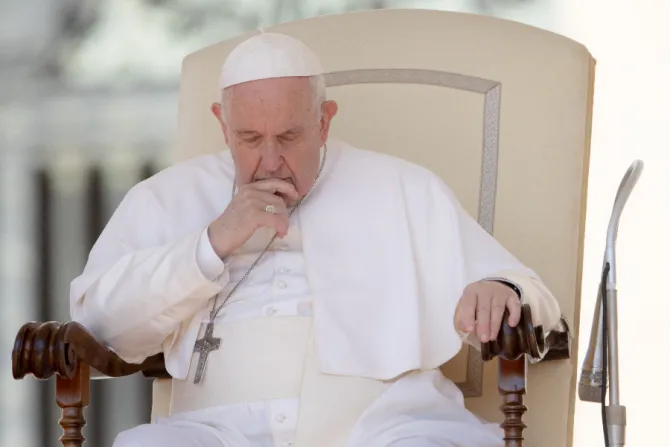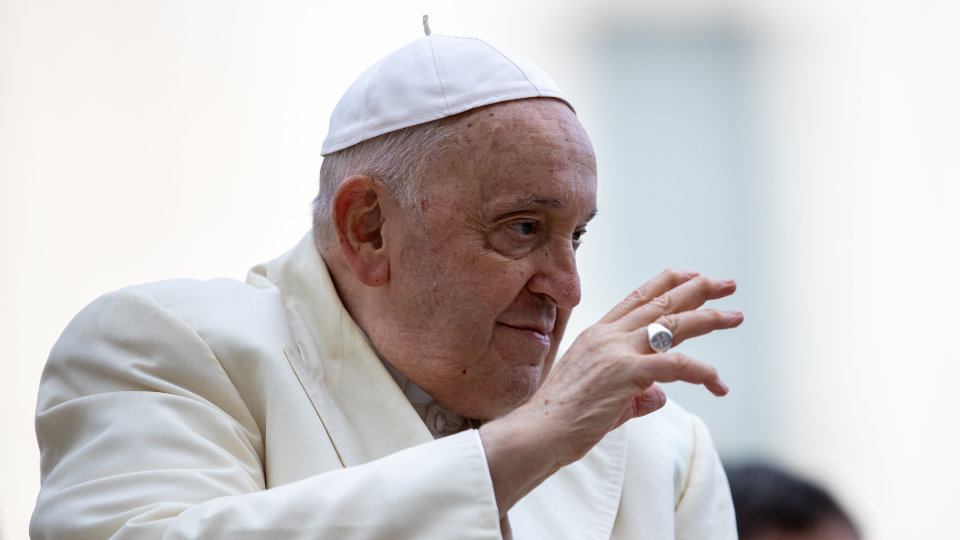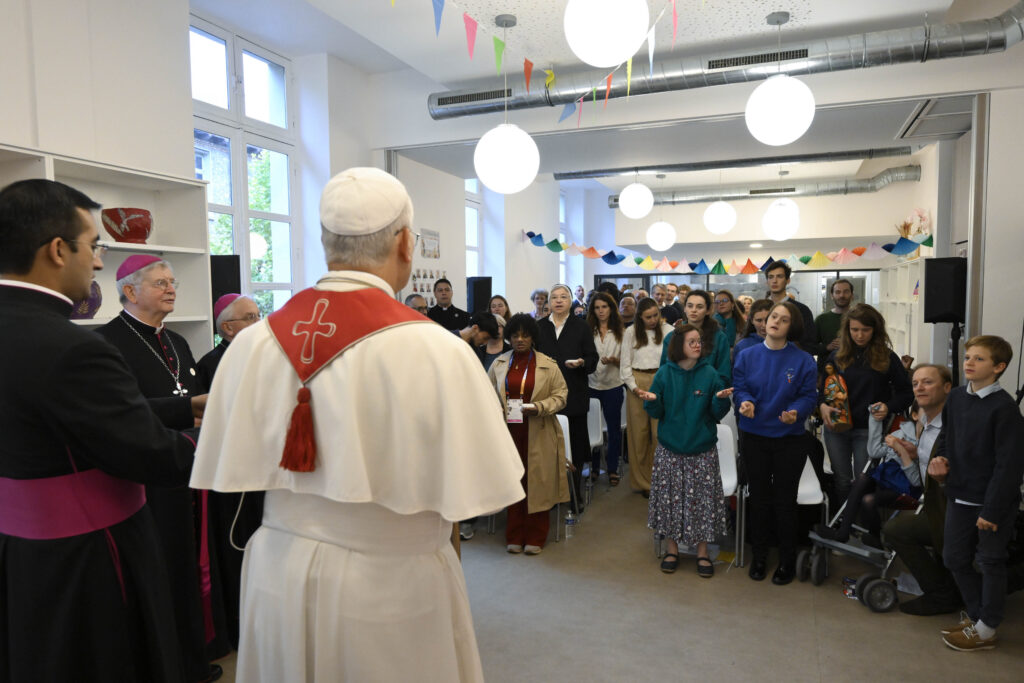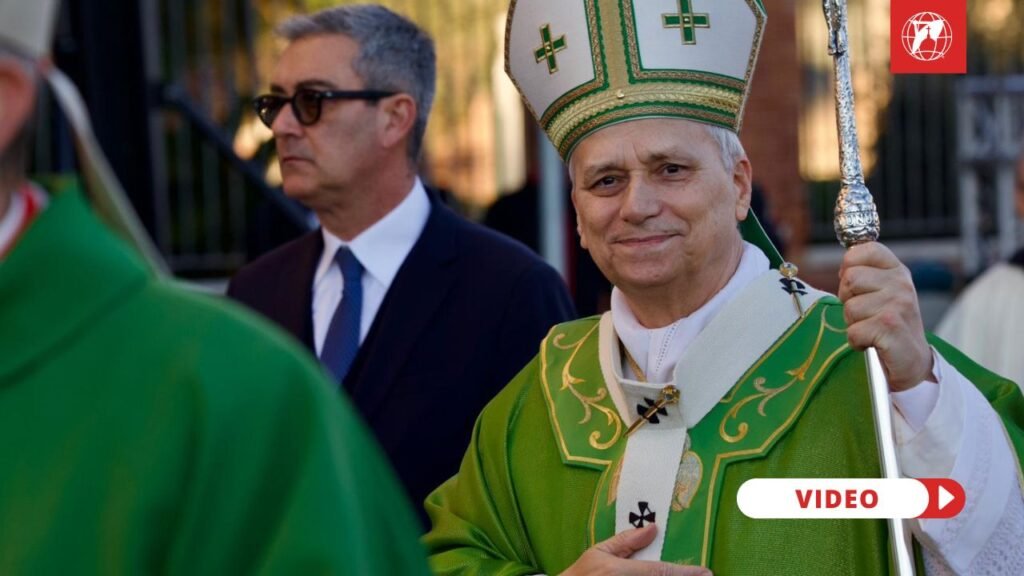
This Lent, beginning February 15, Pope Leo XIV will step beyond the Vatican walls and into the neighborhoods of Rome. On each of the five Sundays of Lent, the Bishop of Rome will visit parish communities across the city’s five pastoral regions—bringing the papacy to places where daily life is lived with quiet faith, struggle, and hope.
The Pope’s itinerary includes five parishes: Santa Maria Regina Pacis in Ostia, the Most Sacred Heart of Jesus in Castro Pretorio, Ascension of Our Lord in the East, Our Lady of the Presentation in the West, and the Most Sacred Heart of Jesus in Ponte Mammolo. Many of these communities lie far from the center of Rome’s tourist routes, yet they remain essential to the life of the Church in the Eternal City.
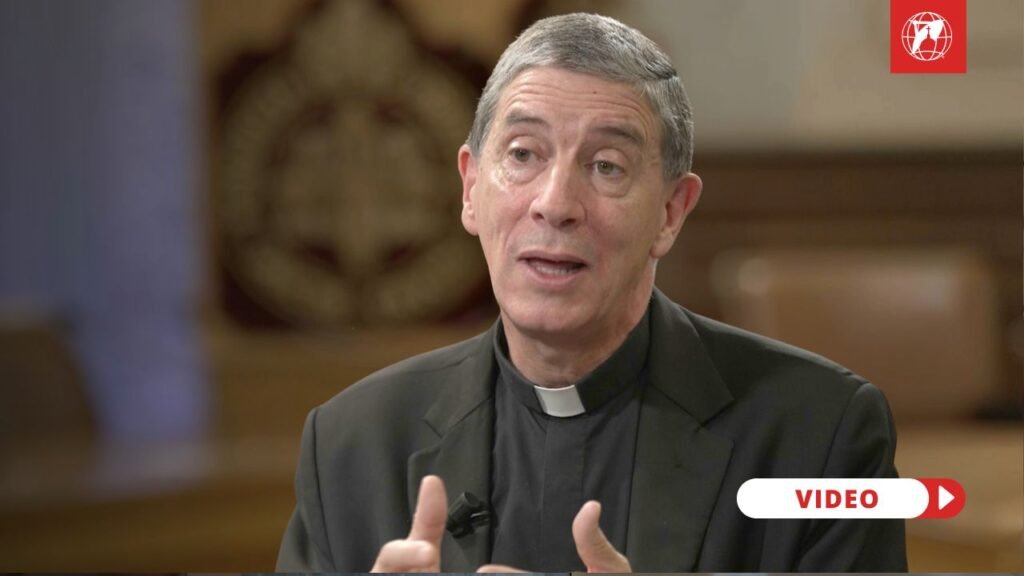
EWTN Vatican correspondent Valentina Di Donato spoke with Father Giulio Albanese at the Vicariate of Rome about why this kind of pastoral outreach matters—especially during Lent.
The Pope as Bishop of Rome
For Fr. Albanese, the Pope’s visits are not simply gestures of goodwill. They express the very meaning of the Roman pontificate itself. “The Bishop of Rome is the Pope because here in Rome, in this very city, 2,000 years ago, the apostles, Peter and Paul, preached the good news,” he explains, recalling that both apostles were martyred in the city and that their tombs remain in Rome. For this reason, he says, Rome is the Church that—“according to the teaching of St. Ignatius of Antioch”—“presides in charity.”
In other words, the Pope’s universal role is inseparable from his local responsibility. As Fr. Albanese notes, from the earliest centuries “the Sea of Rome was relevant, important for the other churches,” and over time “the Bishop of Rome became the Pope.”
Pope Leo XIV’s decision to spend Lent with Rome’s parishes highlights this ancient reality: the papacy begins not in ceremonies, but in shepherding.
A Lenten Focus on the Poor
Fr. Albanese also points to a deeper reason why the Pope’s parish visits carry weight today. The Gospel, he says, demands that the Church stay close to the poor, and he warns that modern society continues to widen the distance between those who have and those who do not. “We have to take into account that we are living in a society at the international level where there is a gap between the rich and the poor,” he says, adding that poverty is now so severe in many places that people “cannot make ends meet.”
That reality is often discussed in reference to the global peripheries—but Fr. Albanese insists it is present in Rome as well. “This is true outside, in the peripheries of the world,” he says, “but this is true also in the outskirts of Rome.”
In Ostia, one of the parishes on the Pope’s itinerary, the local pastor, Fr. Giovanni Vincenzo Patanè, describes a neighborhood marked by both strength and hardship. While he says the area has “its positive sides,” he also notes that part of the community is “more run-down,” where “drug dealing and some prostitution are fairly common.” For him, Pope Leo’s presence can serve as a kind of light, drawing attention to places “somewhat in the shadows,” while also challenging the stereotypes that reduce Ostia to headlines about crime.
He stresses that “Ostia is not only what is often described in terms of crime and mafia organizations,” and expresses hope that the Pope’s visit will help people see what is too often ignored: “There is also a great deal of good here.”
Caritas, Community, and the Strength of Faith
That “good” is visible most clearly in the daily work of charity. In Ostia, the local Caritas ministry has seen a dramatic increase in demand. Marco, a member of the Caritas association, says the number of meals served has risen sharply: “We’re seeing now this month a 30% year-over-year increment, from 90 to more than 120 meals per day on average.” He adds that on one recent day, they served 131 meals.
For Marco, this increase reflects a broader reality: “This increase is happening because things aren’t going better, aren’t improving, generally speaking.” At the same time, he says the Church’s response is rooted in welcome. More and more people are coming because “we welcome everybody in the true spirit of the gospel with open arms,” and Caritas tries to provide help that goes beyond “mere food.”
Among those who come regularly is Costantino, who says he is looking forward to Pope Leo XIV’s visit. For him, faith is not an abstraction—it is the only thing that makes endurance possible. “The more I go ahead, the more I have become illuminated,” he says, describing faith as something that must be lived inwardly. If a person lives it, he explains, “it illuminates you,” and slowly brings the realization that “someone loves you, somewhere,” and that “someone wants to hug you.”
Costantino’s words reflect the spiritual heart of the Pope’s Lenten outreach: faith as a source of strength, even when life is hard. “You must have faith,” he insists. “You can’t lose it… faith, gives you strength.”
As Pope Leo XIV prepares to visit these five parishes, the message is clear: Lent is not only a season of reflection, but a season of encounter. And in Rome, the Bishop of Rome is choosing to begin that encounter where the Church often burns brightest—among the poor, the forgotten, and the faithful who keep hope alive on the city’s edges.
Adapted by Jacob Stein. Produced by Alexey Gotovskiy; Camera by Sergio Natoli.