His remarks were made during a Monday audience with the Jérôme Lejeune Foundation.
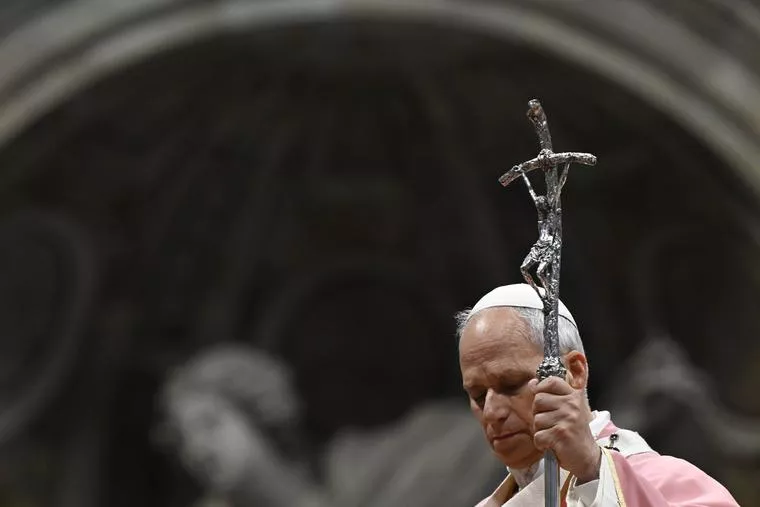
Pope Leo XIV defended the dignity of human life at every stage and warned about the risks of a medicine subordinated to technical or utilitarian criteria at the Vatican on Monday.
“No doctor should ever allow himself, on the basis of laboratory algorithms, to decide on the life of an embryo or of an elderly person,” the pope said June 22 during an audience with members of the Jérôme Lejeune Foundation.
“Medicine must never become a servant of programmed death!” he emphasized.
The foundation began its work in France in 1995, following the death of geneticist Jérôme Lejeune, considered the father of modern genetics for discovering in 1958 the genetic cause of trisomy 21 (Down syndrome).
According to its website, the organization allocates between four and five million euros (approximately $4.5-5.7 million) annually to research, maintains a biobank in Paris with more than 20,000 samples, and operates medical centers in Paris and Nantes, France, in Madrid, Spain, and in Córdoba, Argentina).
“I wish to express my encouragement for your commitment in favor of life and human dignity,” Leo XIV told foundation members.
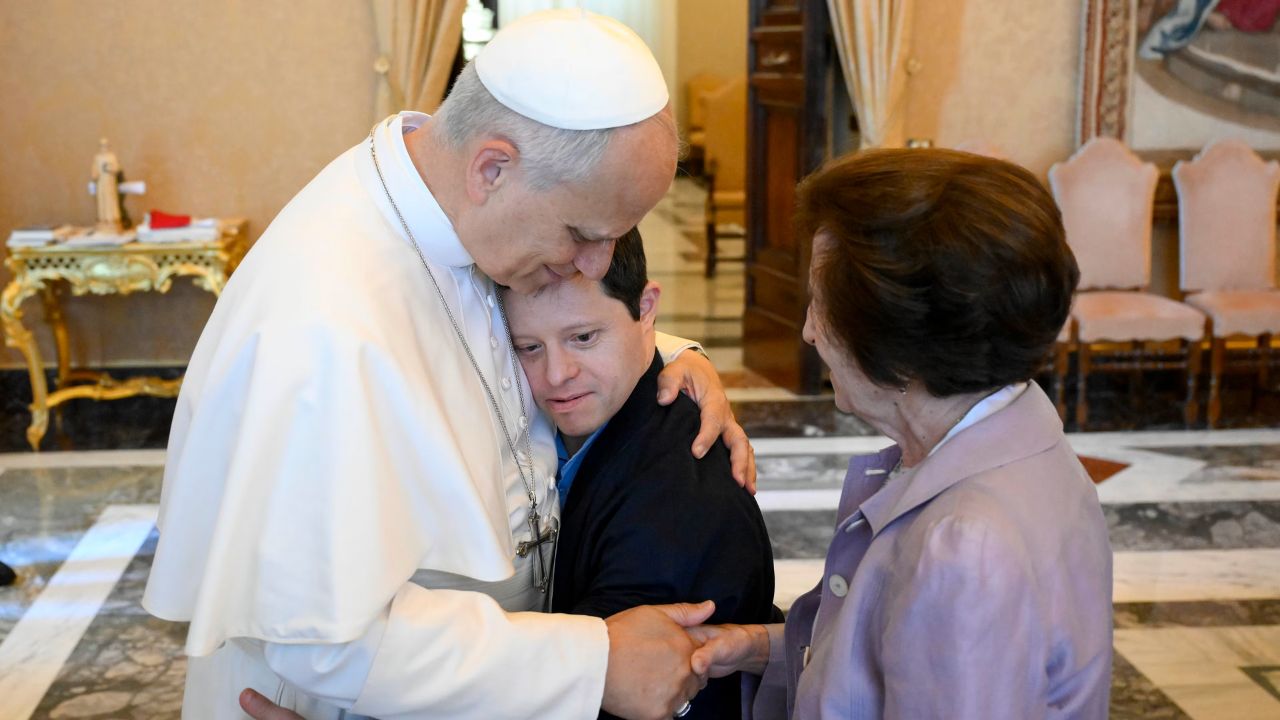
In his address, the pontiff also recalled the figure of Lejeune, a French scientist whose cause for beatification advanced when Pope Francis in 2021 signed the decree recognizing his heroic virtues.
Despite the international recognition Lejeune’s discovery brought him, it was later used by the abortion industry to identify unborn children with Down syndrome — something Lejeune firmly rejected.
The French geneticist, declared venerable, publicly defended the lives of the most vulnerable despite the rejection he faced in certain scientific circles.
During the June 22 meeting, held on the occasion of the centenary of Lejeune’s birth, the pope emphasized that the professor dedicated his life to children with disabilities: “Moved by the difficult situation of children with disabilities, Professor Lejeune devoted his life to them as a scientific researcher.”
Leo also recalled that the discovery of the chromosomal anomaly responsible for trisomy 21 made Lejeune a “pioneer of modern genetics.”
‘Medicine is the hatred of disease and the love of the patient’
The Holy Father likewise highlighted Lejeune’s medical vocation and his commitment to patients, whom he called “the poorest of the poor,” and cited one of his best-known expressions: “Medicine is the hatred of disease and the love of the patient.”
The pope also recalled the scientist’s influence in the Church, noting that St. Paul VI appointed him a member of the Pontifical Academy of Sciences and that his closeness to St. John Paul II contributed to the creation of the Pontifical Academy for Life.
In his remarks, Leo XIV warned about the ethically questionable use of scientific advances. “A man of science and wisdom, Jérôme Lejeune quickly understood that his scientific discovery would be used to eradicate people with trisomy 21 before their birth,” he said. The pontiff added that the geneticist denounced this phenomenon as “chromosomal racism.”
“Be, like him, committed witnesses in society, at the service of the constant pursuit of the common good,” he said.
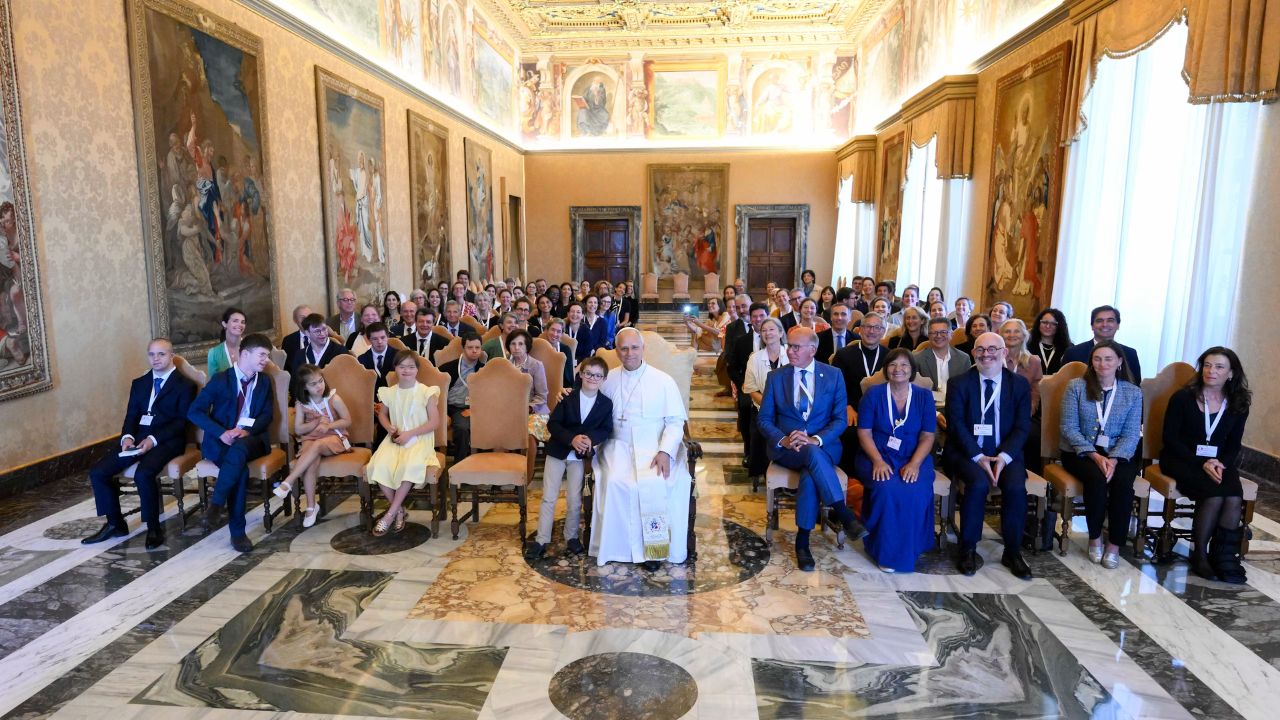
The pope reiterated that technology cannot replace medicine or be separated from an ethical framework: “The value of the human person does not depend on what he or she accomplishes or produces.”
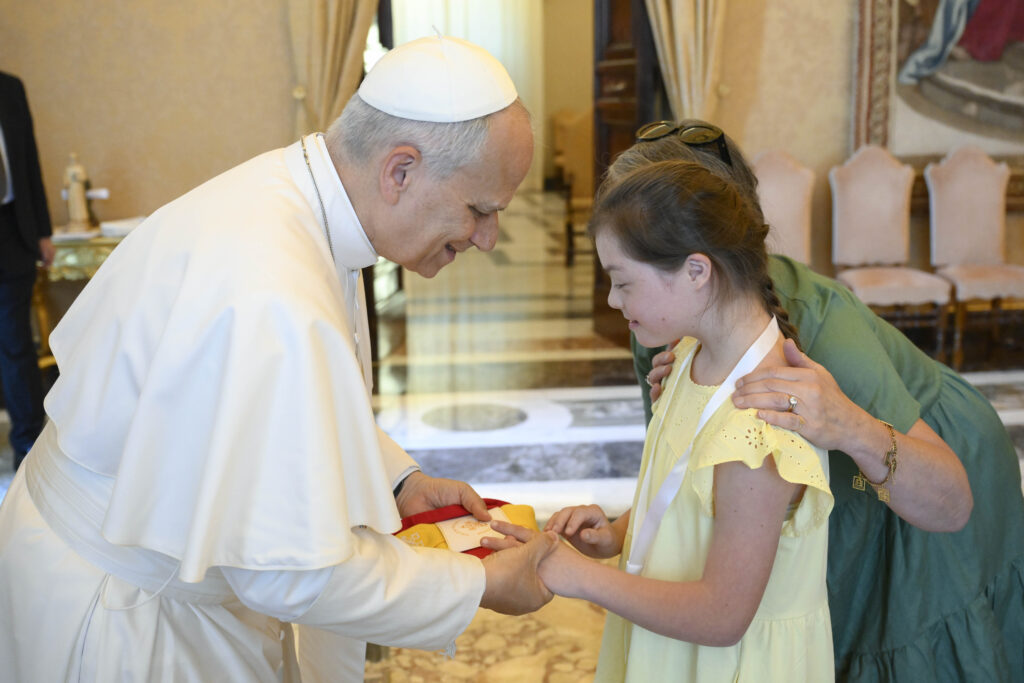
Finally, he expressed gratitude for the work of the Lejeune Foundation, addressing its members, children of Venerable Lejeune present in the audience, and “dear friends with trisomy 21” and their parents.
“I am pleased by the place you occupy on the global level in research on intellectual disabilities of genetic origin,” he said.
The pontiff concluded by encouraging its members to continue promoting a culture of life and the common good, and he imparted his apostolic blessing, extending it to their families and to the patients served by the institution.
This story was first published by ACI Prensa, EWTN News’ Spanish-language sister service. It was translated and adapted by EWTN News English.