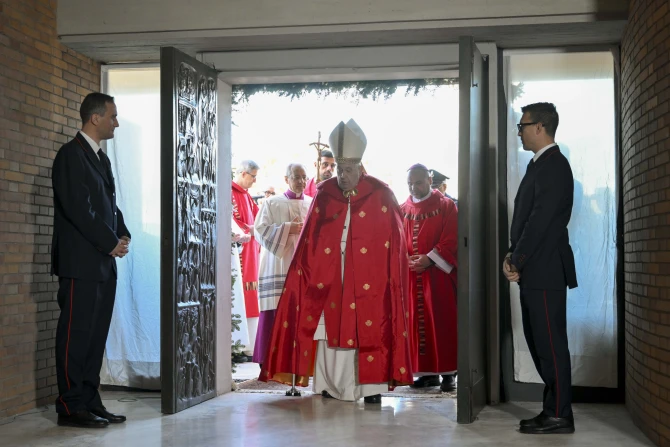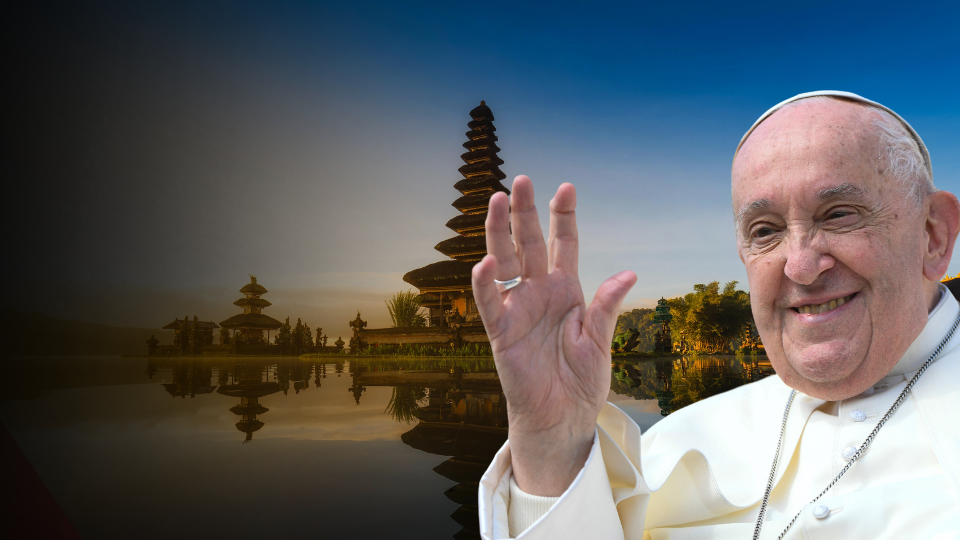
The Vatican just announced that Pope Francis will travel to several Southeast Asian countries.
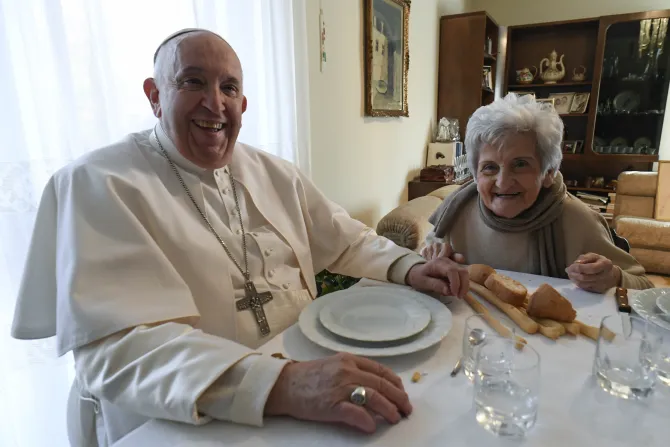
The Holy Father will embark on the 11-day multi-country voyage in September. It will be the longest international trip of Francis’ papacy, and he will visit Indonesia, Papua New Guinea, East Timor, and Singapore.
This Spring, the Holy See has intensified its interreligious efforts in Asia, fostering connections with various religious denominations. This initiative is spearheaded by the Vatican’s Dicastery for Interreligious Dialogue, which engages with faiths including Islam, Buddhism, Judaism, and, recently, Confucianism.
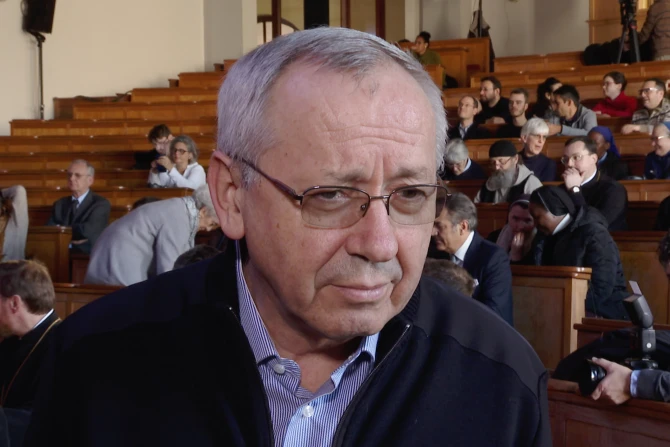
Father Paulin Kubuya, under-secretary for the Dicastery for Interreligious Dialogue, recently traveled to Taiwan to represent the Vatican at a conference. During his visit to Fu Jen Catholic University, he worked on establishing a framework for Christian-Confucian dialogue. This framework aims to guide the Catholic minority in East Asia on how to practice their faith within the context of local cultural traditions.
“Confucianism,” Father Kubuya said, “is one among the traditions that has inspired many people living in East Asia, starting from China, expanding to Korea, Japan, Vietnam, and, today, in this globalized world.”
Father Kubuya explains that until the 19th century, Confucianism played a significant role in guiding behavior in the East Asian region. Even today in Taiwan, “The Analects of Confucius” are taught in schools. That’s why his Vatican office has chosen to establish official guidelines for engaging in dialogue with Confucianism. These guidelines aim to clarify boundaries and identify common ground to facilitate meaningful dialogue.
Father Kubuya explained, “Especially for Asian Christians who are coming from this area. This dialogue, these guidelines will be helpful because it will enable them to dialogue with themselves. There are practices that in the past they could not simply know how to deal with.”
The workshop in Taiwan was an important step into producing the guidelines that are expected in the coming months. There were a lot of cultural issues discussed that are important for the Chinese faithful such as: ancestor worship, burial rites, the ethical and moral values embedded in the culture influenced by Confucianism.
Around the same time, the Vatican office also organized a conference in Hong Kong focused on fostering dialogue with Taoism.
In another noteworthy effort, the Holy See has collaborated with the Republic of Kazakhstan. Following a memorandum of understanding with Kazakhstan’s Nazarbayev Center, the Holy See led the first joint colloquium discussing Pope Francis’s writings on the environment, particularly Laudato si’ and Laudato Deum, as Kazakhstan has faced floods that some experts attribute to climate change.
During a meeting with the group, the Holy Father expressed his support for the initiative and encouraged efforts towards promoting peace. “We need instead,” the Pontiff said, “to speak of peace, to dream of peace, to give creativity and substance to hopes for peace, for these are the real hopes of individuals and of peoples.”
These initiatives are part of a wider strategy to support the Congress of Leaders of World and Traditional Religions, an event Pope Francis attended two years ago in Astana, the capital of Kazakhstan.
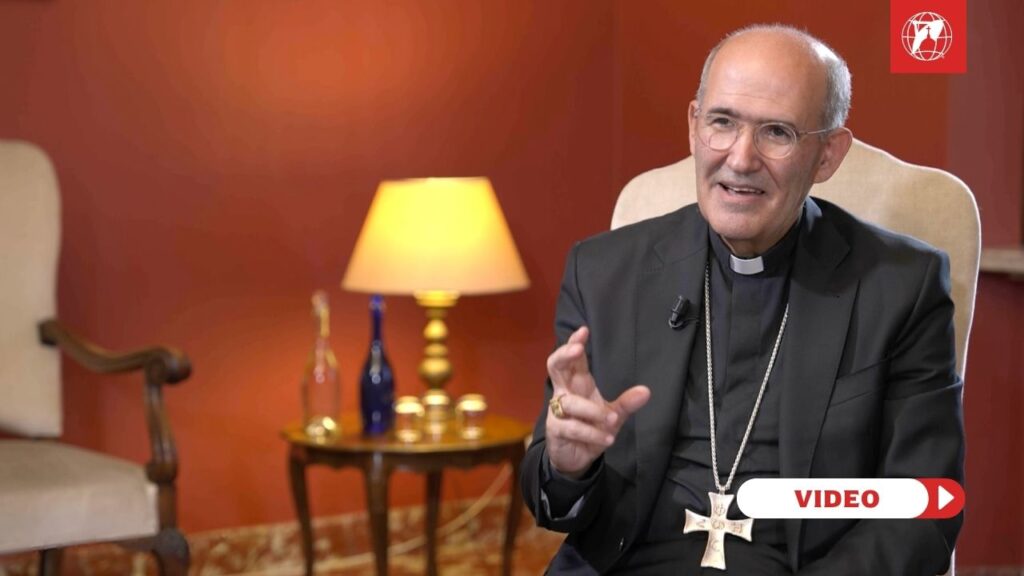
The Church in Asia is one of the most rapidly growing. Archbishop Rino Fisichella, who is the Pro-prefect for the Section of New Evangelization in the Dicastery of Evangelization, calls the Church in Asia “the spring of faith.” He said, “In Korea, you have thousands of baptisms of all the people coming to the Catholic Church. If you look to the Philippines, you have a very strong Catholic tradition. It is an emotion to see how people are present in the Church and how they are proud of their faith and how they share it, and this is a way of the evangelization.”
“You can see,” Archbishop Fisichella said, “how the Kingdom of God is not just Western. The Kingdom of God is around the world.”
In September, Pope Francis will personally greet and bless the faithful in several Asian countries, in which Catholics are a tiny minority – the Vatican’s initiatives on interreligious dialogue are paving the way.
Adapted by Jacob Stein
Sign up for our newsletter here: https://mailchi.mp/ewtn/vatican