To clarify any misconceptions, even if the prison sentences from the Vatican trial regarding the State Secretariat’s fund management are upheld in appeals and become final, it’s unlikely that there will be new inmates in the so-called Vatican prisons.
There are two primary reasons for this. Firstly, while the Vatican City State operates with its own judicial system and penal code, it lacks a traditional prison. It possesses facilities for temporary detention post-arrest, but these do not constitute a formal jail. Should sentences become enforceable, the convicted individuals would serve their time in Italy, as per the Lateran Pacts agreement. Secondly, the Vatican legislation stipulates that if sentences do not exceed a certain threshold, they may be suspended. Essentially, imprisonment only occurs if additional crimes are committed within Vatican jurisdiction.
Regarding the presence of cells within the Vatican, there are indeed three, situated within the Vatican Gendarmerie’s headquarters. These small, modern cells have been used frequently in recent years, housing individuals such as Paolo Gabriele, Benedict XVI’s “butler” prosecuted for document theft, and Gianluigi Torzi, a defendant in this trial, who was held in pretrial detention.
These cells, while not overly uncomfortable, reveal the lack of a fully-equipped prison system, particularly during meal times when there’s no dedicated canteen service, as the gendarmes are not on-site in the evenings. Consequently, these facilities are unsuitable for extended detentions.
In cases like former nuncio Wesolowski and Monsignor Alberto Capella, house arrest was preferred over confinement in these cells. Capella, a former embassy secretary, was later convicted of child pornography by the Vatican Court.
So, what transpires in the event of a custodial sentence? According to Article 22 of the Lateran Treaty, the sentenced individual would serve their time in Italy, with the Vatican City State bearing the detention costs.
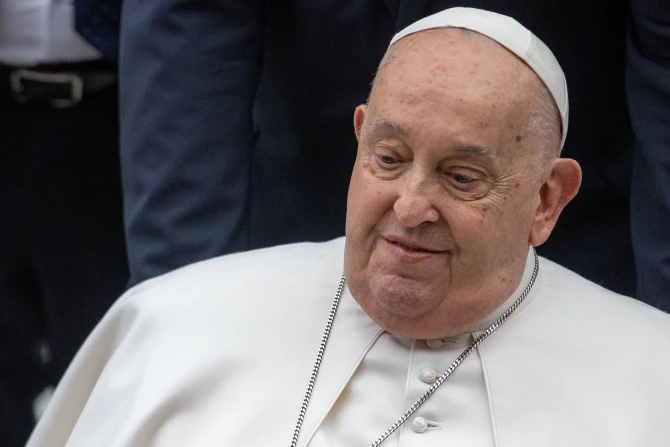
However, it’s possible that many defendants may not serve any sentence at all. On September 6, 2021, Pope Francis enacted Law Number DXXXI (81), amending the Vatican Penal Code and Code of Criminal Procedure. This law essentially allows for the suspension of sentences under two years for first-time offenders, with the potential for the sentence to be completely annulled if no further crimes are committed within five years. Therefore, if the sentences are reduced on appeal, they may ultimately be suspended and possibly annulled.