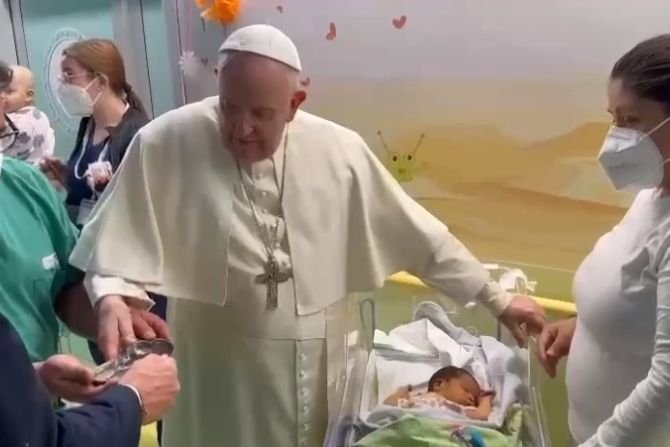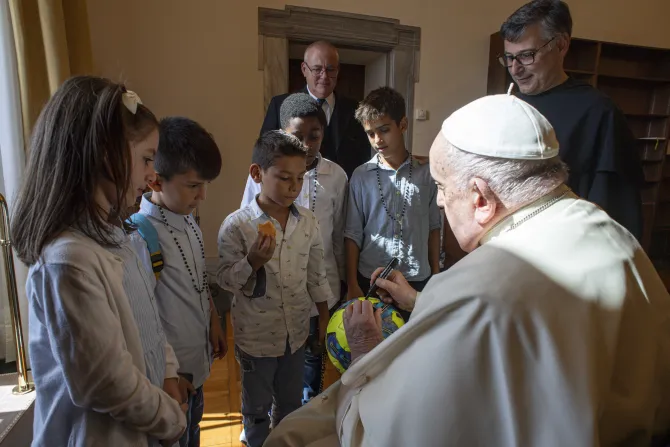
In his 2024 message for the World Day of the Sick, Pope Francis renews the Church’s enduring focus on those who suffer most: the sick, the vulnerable, and the poor. He urges Catholics not to lose sight of them in pastoral care and daily compassion, and he invites the faithful to seek the intercession of Mary Most Holy, Health of the Sick, so that relationships marked by closeness and fraternity can grow.
World Day of the Sick is observed each year on February 11, a day established by St. John Paul II to unite the faithful in prayer for those living with illness and for those who care for them. Pope Francis’ message for the 2024 observance is rooted in the words from Genesis: “It is not good for man to be alone.” The date also coincides with the liturgical commemoration of Our Lady of Lourdes—an occasion that invites reflection on suffering, accompaniment, and hope.
Why Lourdes Draws the World
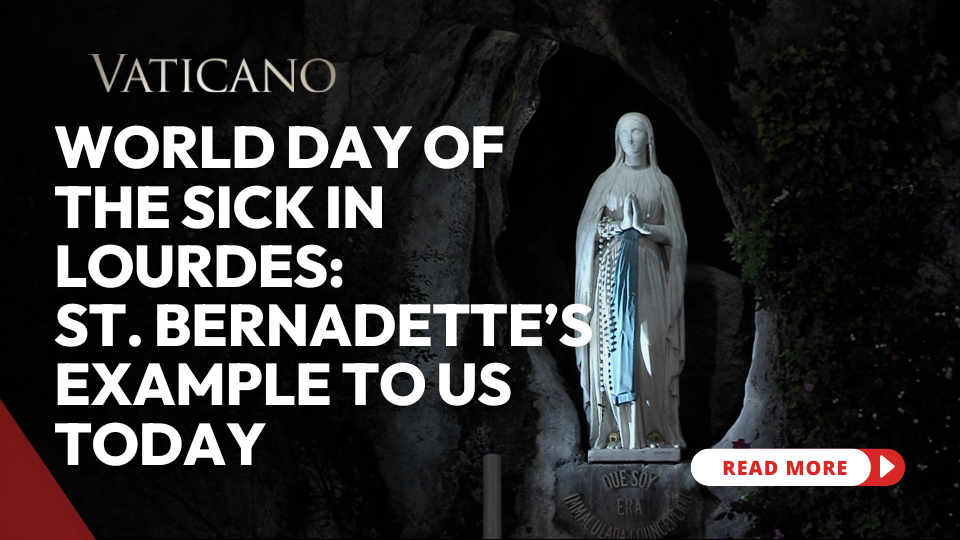
The Sanctuary of Our Lady of Lourdes in southwest France has long been associated with the sick, especially because of the spring in the grotto, from which many pilgrims have sought healing—physical, spiritual, and emotional.
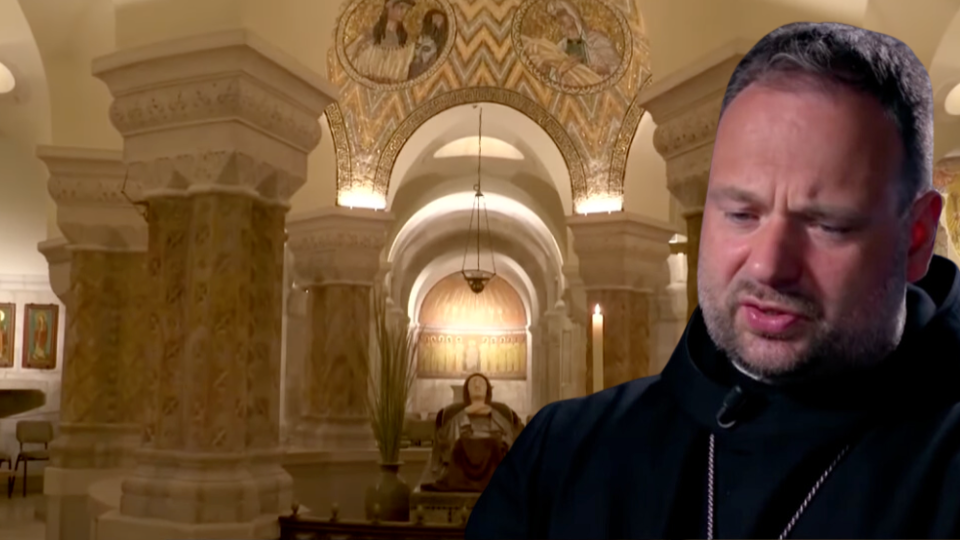
To understand why Lourdes continues to attract pilgrims from every continent, Andreas Thonhauser, EWTN Vatican Bureau Chief, spoke with the Bishop of Tarbes and Lourdes, His Excellency Jean-Marc Micas, P.S.S.
Asked what brings so many people to Lourdes, Bishop Micas explained that pilgrims encounter something profoundly human and uniquely spiritual:
“They find in Lourdes something unique. The experience of Bernadette, the Grotto of Massabielle, the message she received from the Virgin Mary for the priests and for the world, for the Church, for the world, touches the hearts of all and the experiences and the lives of everyone, everywhere. And there is a very special atmosphere here and all the people who come to Lourdes and make an experience, unique experience, of fraternity, of the presence of God, almost sentiments of respect, of healing, inner healing first of all, and sometimes also a real physical healing too, and not officially recognized all of them as miracles, but many, many people come here because here they find humanity, really human.”
Bernadette’s Humility and a Message for Today
The Sanctuary of Lourdes traces its origins to the apparitions of the Blessed Virgin Mary to Bernadette Soubiroux, a poor 14-year-old girl. The first apparition took place on February 11, 1858. In total, there were eighteen apparitions, ending on July 16 of the same year.
Bishop Micas believes Bernadette’s relevance has only grown with time, because her story reveals how God works through those the world often overlooks. Reflecting on why Bernadette continues to inspire, he said:
“That God always chooses the simple, the poor, and the humble. Bernadette was really nothing in the eyes of the population of Rhodes at that time. When she arrived as a young religious in Navarre, all the sisters had heard about Lourdes and about her, but they had never seen her before, and when they saw her arriving in their monastery in Navarre, they said, ‘That is Bernadette?’ They were disappointed because she was so humble, so simple, and I think this is something that Bernadette has to teach us today: God gives us lessons and importantly words through people unexpectedly.”
Bernadette described the apparition she saw in the hollow of the rock at Massabielle as a young and beautiful lady “lovelier than I have ever seen.” The Lady spoke to her, asked her to drink from a mysterious fountain in the grotto, and water immediately flowed. On another occasion, the apparition instructed Bernadette to tell the priests she wished a chapel to be built there, and that processions should be made to the grotto.
Healing Begins in the Heart
Over time, Lourdes became one of the world’s most recognized places of pilgrimage, as devotion grew and the Church formally acknowledged the apparitions. A basilica was built on the rock of Massabielle, national pilgrimages began, and the feast eventually spread throughout the universal Church.
Yet Lourdes is not only a place associated with physical healing. It is also a place where many come to pray for something deeper: healing of the heart.
Bishop Micas explained that this spiritual dimension is essential to understanding Lourdes:
“The real first illness is what we need to be healed. That real illness can lead to death, and it’s not the physical, visible ones, but the illness of the heart. Of the soul. And people come here in order to ask, to pray for the cure of this mortal illness. And the other illness, if it comes, it’s just a gift, just a free gift from God.”
In his 2024 message for the World Day of the Sick, Pope Francis reminded the faithful that the first step in caring for the sick is often the simplest—and the hardest: restoring relationships. In a world where suffering can isolate, the Holy Father calls Christians to choose love, presence, and connection, especially when others are most vulnerable.
Adapted by Jacob Stein. Originally published on February 12, 2024, and Updated February 10, 2026.