For Christians who have left Iran and Afghanistan, discovering a new life in Austria can bring freedom, but it can also mean separation from family, painful memories, and uncertainty about the future.
In Vienna, Project Hananias offers newly baptized Christians and people preparing for baptism a place to grow in faith, build friendships, and find support as they begin a new chapter of their lives.
The initiative was established by Austrian Cistercian monk Father Karl Wallner during his time as director of Missio Austria, the national office of the Pontifical Mission Societies. Through the project, young immigrants can use training facilities, meet others, and participate in weekly catechesis.
The aim is to care for both body and soul, providing a welcoming community where participants can grow in their relationship with Christ.
Finding Christ despite persecution
Many of those who come to the project have experienced persecution, trauma, or rejection because of their religious journey.
Milad, one of the participants, describes the profound impact of learning that a man who had converted to Christianity was sentenced to death and publicly executed. The experience left a lasting impression on him and helped shape his understanding of the risks faced by those who embrace the Christian faith.
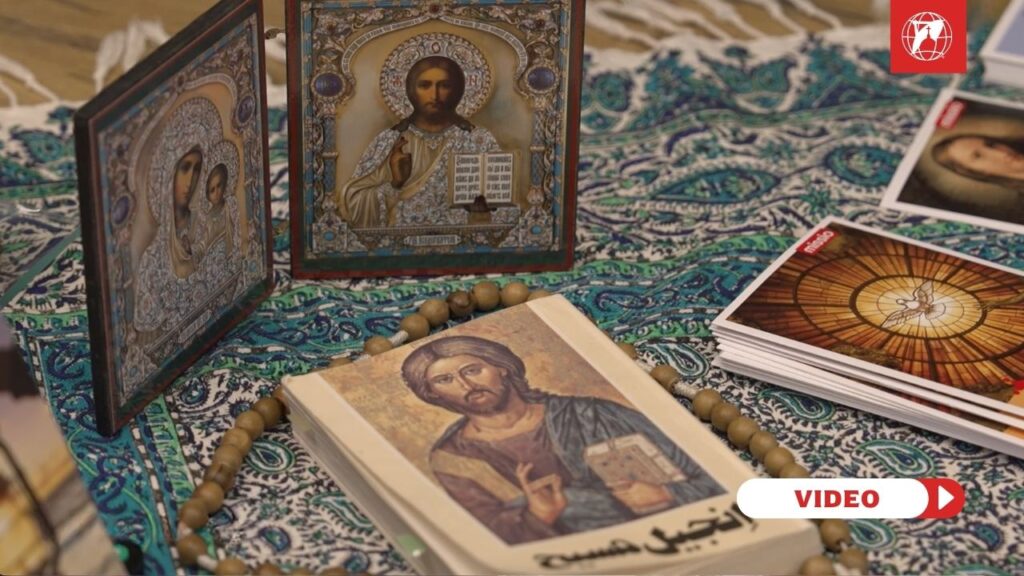
Through Missio Austria and Project Hananias, he found an opportunity to learn more about Jesus Christ in his native language. He describes the initiative as a bridge that has helped him deepen his understanding of Christianity and grow in faith.
The project is also supported by Anna Maria Jalalifar, an Iranian-born Christian who leads the initiative and has firsthand experience of life under the Islamic Republic.
She recalls growing up during the Iranian Revolution and describes an experience at a cemetery that profoundly affected her relationship with Islam. Today, she accompanies other converts, some of whom have endured traumatic experiences and continue to face fear because of their decision to become Christians.
For Jalalifar, the central question is whether people love Jesus above all else, even when following him comes at a personal cost.
Leaving the past behind and discovering a new family
Another participant, Marta, recounts the trauma she experienced after being raped at the age of 22. Unable to turn to her family for support, she faced a situation in which she felt forced to choose between the punishment of her attacker and marrying him.
She rejected both options and was subsequently disowned by her family. She eventually went to Austria to begin a new life.
Her Christian faith has given her a new understanding of prayer and her relationship with God. Whereas she had previously been allowed to pray only in Arabic, she says that as a Christian she can speak to God anywhere and at any time, even in her native language.
When she walks in the mountains, she talks to Jesus and finds comfort in the belief that he listens to her and accepts her as she is.
For Marta, discovering Christ has also meant discovering a new sense of belonging. Although she can no longer return to Iran or visit her family, she describes Jesus as her Father and her family.
Baptism in Vienna marks a new beginning
When EWTN visited Project Hananias in Vienna, Marta was preparing to receive baptism. She expressed her desire to remain close to Christ, describing him as her Father and friend and placing her future in his hands.
On Easter Eve in 2025, she was baptized, marking the culmination of a long and difficult journey.
Her story reflects the experiences of other converts who face profound personal costs because of their Christian faith, including separation from loved ones and the loss of their former communities.
Through Project Hananias, these men and women find more than instruction in the faith. They find a community that welcomes them, accompanies them, and helps them build a new life rooted in Christ.
Their testimonies offer a powerful witness to the freedom and hope they have discovered in the Gospel, even amid suffering and uncertainty.
Adapted by Jacob Stein.