This week’s Vaticano updates: The Pope reflects on sport and human dignity, calls for artificial intelligence to serve humanity, and begins his Apostolic Journey to Uruguay, Argentina, and Peru.
Pope Leo XIV welcomed approximately 7,000 students, athletes, and supporters from Villanova University and the University of Notre Dame to Rome ahead of a historic basketball doubleheader between the two American universities.
The Pope, a graduate of Villanova University, joked that while the pontiff does not take sides, Prevost might have a different opinion.
Turning to the deeper meaning of sport, Pope Leo emphasized its ability to promote human dignity and build relationships, particularly at a time when technology can create distance between people. He described sport as “a medicine” for both body and spirit when practiced well.
Pope Leo XIV: Artificial Intelligence Must Serve Humanity
Pope Leo XIV has warned against granting artificial intelligence systems rights or legal personhood, insisting that technology must remain firmly at the service of the human person.
Speaking to participants at a Vatican conference entitled The Future of AI: A Dialogue Between the Vatican and the Scientific World on the Developments and Applications of Intelligent Technologies, organized jointly by the Pontifical Academy for Life and the Future of Life Institute, the Pope stressed that the future of artificial intelligence depends ultimately on human decisions.
“Machines are tools, not persons,” he said, cautioning against proposals to grant AI systems legal recognition.
The Holy Father emphasized that a reliable system that serves human beings is more valuable than one that possesses extraordinary capabilities but whose consequences cannot be adequately predicted or controlled. He also called for human responsibility and oversight in decisions involving human life, freedom, and the common good.
Vatican Conference Examines the Church’s Response to Totalitarianism
A major international conference in Rome has examined the Catholic Church’s response to the totalitarian regimes of the 20th century, including Nazi Germany and communist governments.
Opening the gathering at the Pontifical Gregorian University, Vatican Secretary of State Cardinal Pietro Parolin described totalitarianism as a human temptation to become like God by seeking to control how others live and think.
Scholars at the conference also examined the diplomatic efforts of Pope Pius XII during the Second World War and the role of St. John Paul II in challenging dictatorships and supporting the return of democracy, particularly in Poland and Latin America.
The gathering offered an opportunity to reflect on the Church’s historical witness and its response to political systems that sought to undermine human dignity and freedom.
Pope Leo XIV’s November Prayer Intention: The Proper Use of Wealth
Pope Leo XIV is inviting Catholics around the world to pray during November for the proper use of wealth.
In his monthly prayer intention, the Holy Father reminds the faithful that money, time, talents, and opportunities are gifts entrusted to humanity and should be placed at the service of others.
True wealth, he emphasizes, is not found in what people accumulate or keep for themselves, but in what they share with love.
The Pope prays that economic, family, and community decisions may be guided by hearts capable of recognizing that the gifts people receive are ultimately meant to be shared, particularly with those most in need.
Pope Leo XIV Departs Rome for Apostolic Journey to South America
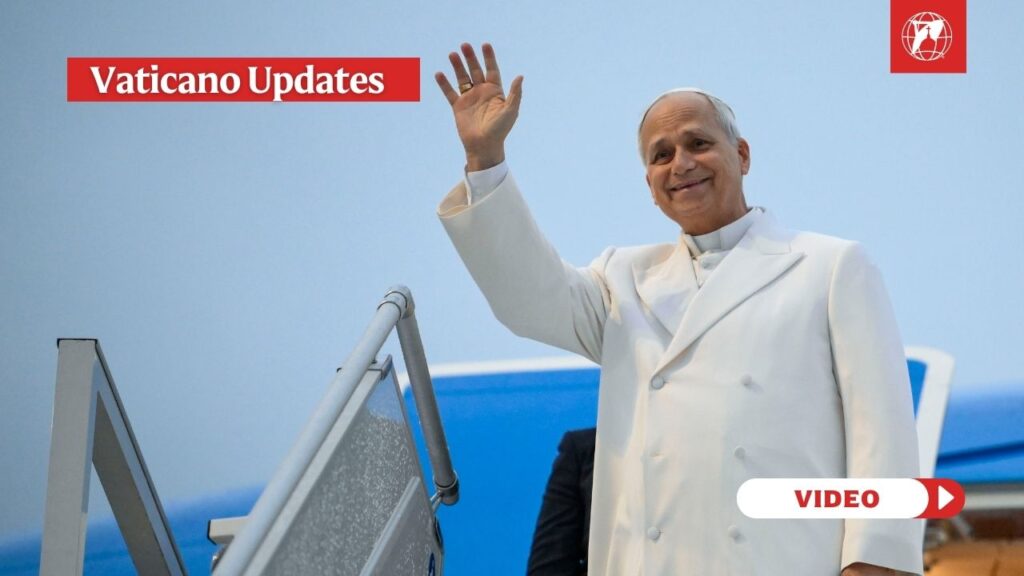
Finally, Pope Leo XIV departed Rome on Friday, November 6, for a 12-day Apostolic Journey to Uruguay, Argentina, and Peru.
The Holy Father will visit 10 cities, take approximately a dozen flights, and deliver around 40 addresses, all in Spanish.
The journey begins in Uruguay, continues to Argentina, and concludes in Peru on November 17. The Vatican has identified communion, encounter, and unity as central themes of the visit.
During the trip, the Pope will meet with local Church communities and civil authorities, as well as victims of clerical sexual abuse. His itinerary also includes visits to prisoners and communities affected by environmental exploitation.
The final stage in Peru will carry particular personal significance for the Holy Father. Pope Leo spent many years in the country as an Augustinian missionary and bishop, making this journey a return to the place that helped shape his pastoral ministry.
The Apostolic Journey marks an important opportunity for the Pope to reconnect with the people and communities he served before his election to the papacy.
Follow the LIVE UPDATES from EWTN News in English for special coverage during Pope Leo’s Apostolic Trip to Uruguay, Argentina and Peru.