Throughout the liturgical year, the Church celebrates solemn moments like the Nativity of the Son of God in Bethlehem or the Descent of the Holy Spirit upon the Apostles. But of all of them, everything revolves around one moment in the liturgical year, the Easter Triduum.
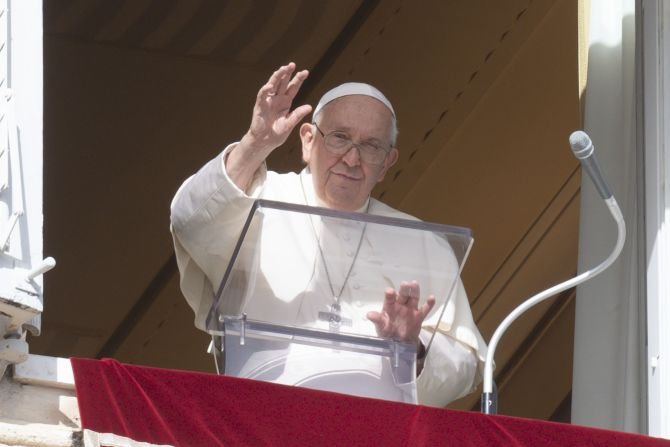
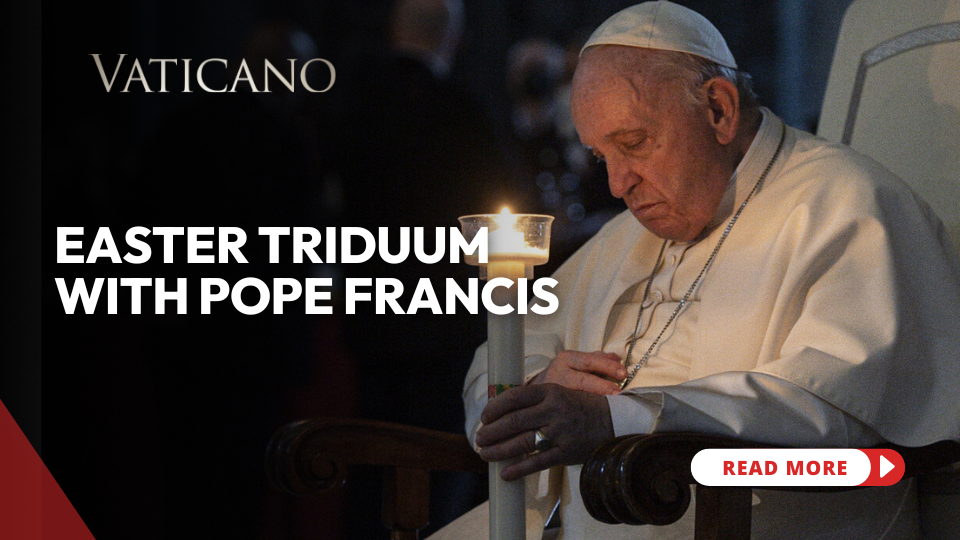
Pope Francis said in a General Audience that the Easter Triduum “signals the fundamental steps of our faith and our vocation in the world, and all Christians are called to experience the three Holy Days — Thursday, Friday, Saturday, and Sunday.”
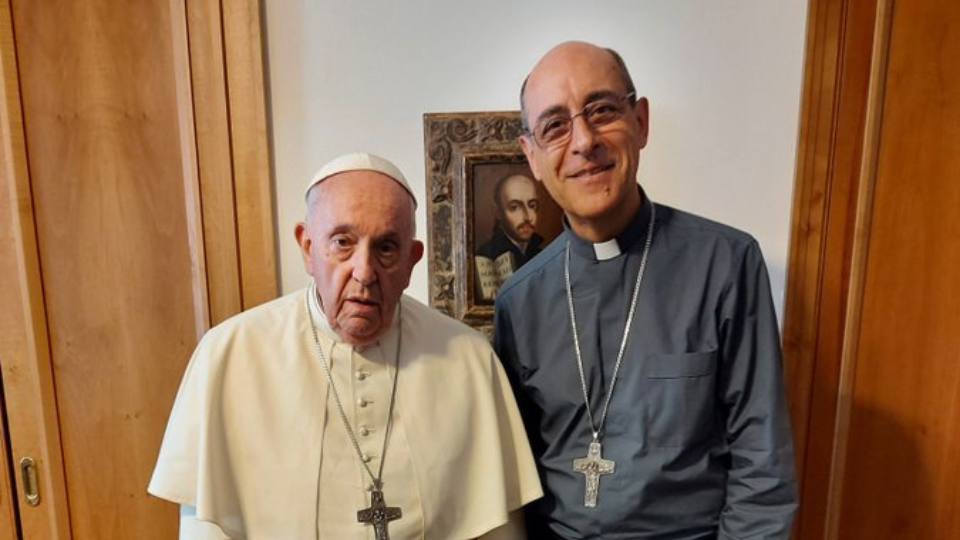
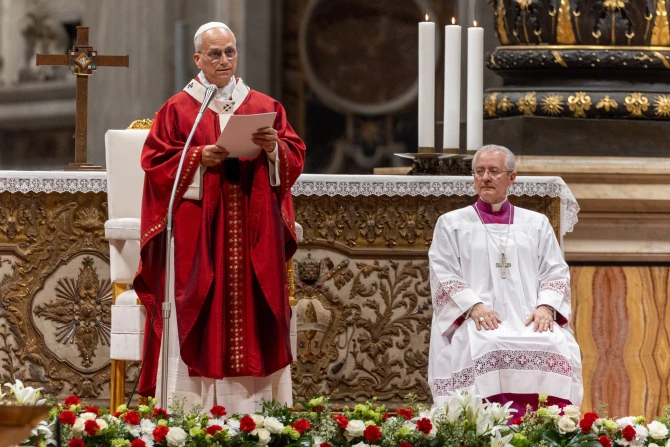
Father Martin Wolf, a priest working in the Vatican, guided us through the Easter Triduum in Rome.
A member of the Dicastery for Consecrated Life, Fr. Martin, explained that “Holy Week holds the highest significance in the Church’s calendar. It starts on Palm Sunday, which acts as a gateway. Through this gateway, we walk alongside Jesus.
Father continued, “In Rome, these observances are marked by grand ceremonies led by the Pope. However, the celebration is not confined to Rome; it extends globally to every parish where Christians gather. The week commences with Palm Sunday and culminates during the ‘Triduum’ — the three sacred days. These days start on Holy Thursday with the Mass of the Lord’s Supper.”
This year, Pope Francis will celebrate the Mass of the Lord’s Supper in Rome’s Women’s Prison of Rebibbia.
Fr. Martin explained the dynamic of these days of prayer further, saying, “The Triduum is, therefore, a great celebration of hope that does not ignore the reality of suffering but shows people in common prayer, in common solidarity: despite everything, it is worth building this world, building peace, building the kingdom of God.”
Throughout these three liturgical days, which correspond to four days on the civil calendar, the Church commemorates the institution of the Eucharist and the Priesthood on Holy Thursday, the Passion and Death of the Son of God on Good Friday, and His descent into Hell on Holy Saturday and finally, His resurrection.
Fr. Martin noted that “Rome is a center for Christianity. This means that the whole world meets here and you can see that in these celebrations. It’s not just Italians, but people from all countries, men and women, who follow Jesus.”
“Pope Francis,” he said, “always uses these opportunities, especially in his sermons and in his messages, to refer to the present day, to what is happening today, to the suffering in the world.”
But to fully experience this liturgical time, it’s necessary to understand the meaning of every gesture, symbol, and celebration. Only in this way can the Christian participate with Christ in each of the moments that offer humanity salvation.
The events of Holy Week took place in Jerusalem.
The evening celebration of Holy Thursday consists of the Holy Mass in Coena Domini or the Lord’s Supper commemorating the Last Supper. The Gospel of the Day narrates to the faithful the last moments of Jesus with the Apostles before his arrest, passion, and death. That night, the Church celebrates the institution of the Sacraments of the Eucharist and of Holy Orders.
On Good Friday, the Holy Mass isn’t celebrated. The service of the Lord’s Passion is divided into three moments: the liturgy of the Word, the Veneration of the Cross, and the distribution of the Holy Eucharist with Hosts previously consecrated on Holy Thursday.
Fr. Martin highlighted a unique aspect of celebrating these holy days in Rome. “Here in the Vatican,” he said, “there is a wonderful opportunity in the evening to walk the Way of the Cross with the Holy Father. This takes place around the Colosseum and is always very impressive. Many thousands of people will take part and walk this path with Jesus. It is always a moment for the Holy Father to point out the suffering of humanity.”
With the arrival of sunset on Holy Saturday, the Church celebrates the most important event of the liturgical year: the Holy Night, during which we acclaim the Resurrection of Christ who has conquered death.
George Filman, a Pilgrim guide in the Holy Land, takes us to the very place of this event, “The dome Anastacio,” which means “Resurrection.” He further explains that, “The tomb is empty. Jesus is resurrected. That is the center of our faith.”
During the Vigil, water and light are the main signs. Holy Mass begins with the Church completely dark. A fire is lit in the atrium and blessed. With the blessed flame, the Easter candle is lit, a symbol of the risen Christ, and in procession, the deacons and celebrants walk toward the altar and light the candles of the faithful.
Pope Francis, in a catechesis on the Easter Triduum, says, “The Risen One gives us the certainty that good always triumphs over evil, that life always conquers death, and that it is not our end to descend lower and lower, from sorrow to sorrow, but rather to rise up high.”
Adapted by Jacob Stein