The hidden story of Servant of God Gertruda Detzel — a laywoman who kept the flame of faith alive through decades of Soviet persecution — has now reached Rome.
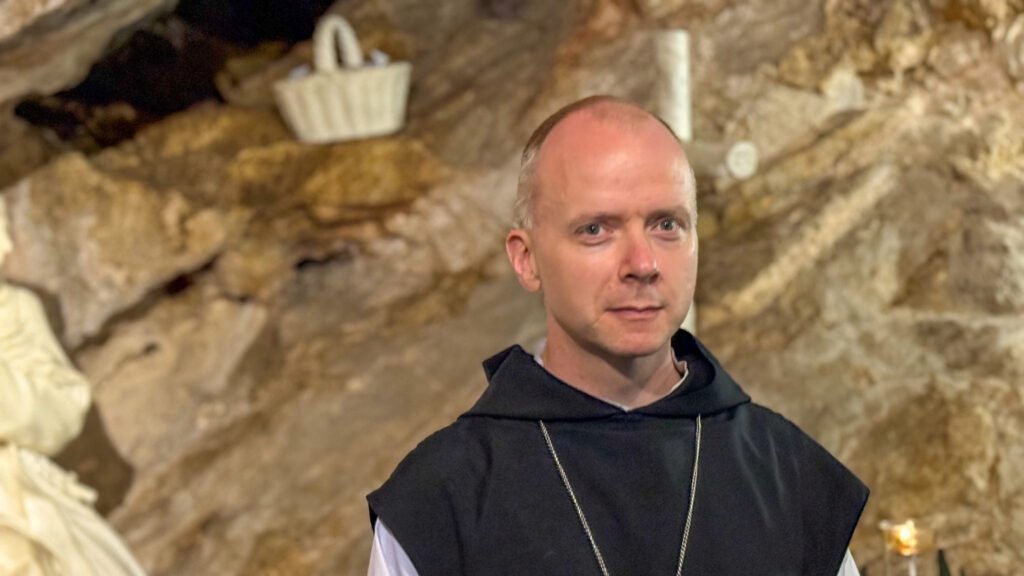
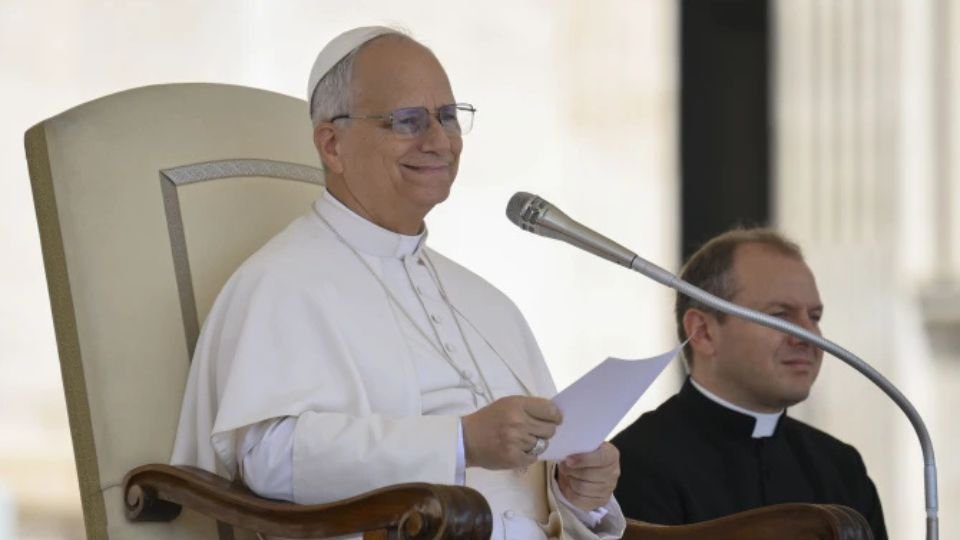
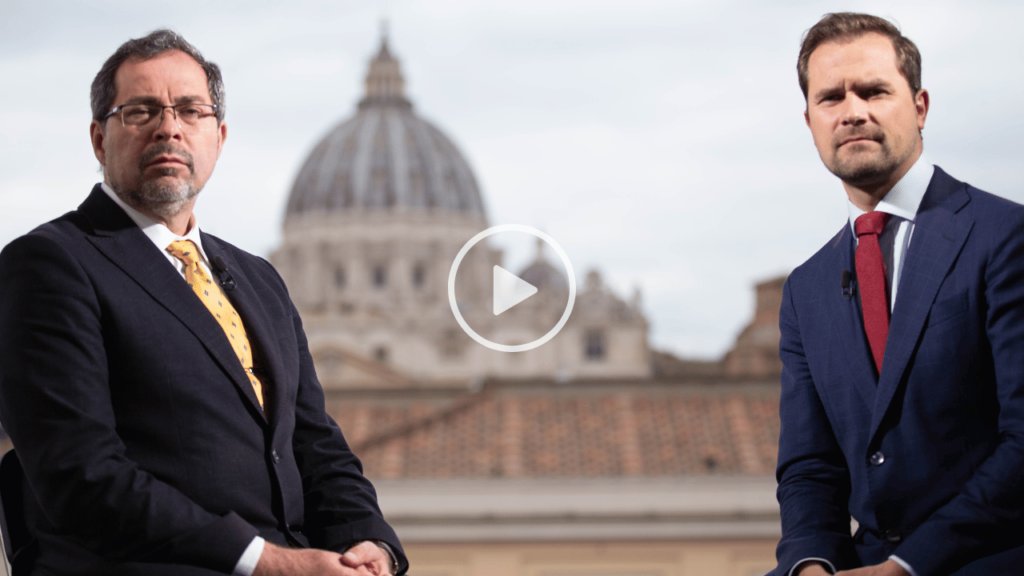
Bishop Evgeny Zinkovskiy, Auxiliary Bishop of Karaganda, presented her cause to Pope Leo XIV, one day after a meeting at the Dicastery for the Causes of Saints.
A small delegation from Kazakhstan arrived with two sealed boxes — fifteen kilograms of documents, testimonies, and accounts of reported miracles.
This moment marks the beginning of the Roman phase of her beatification process — and the first time a laywoman from Central Asia has reached this stage.
Bishop Evgeny Zinkovskiy shares, “It was very moving to see that even our distant case from Kazakhstan — that of our Servant of God Gertruda — was received so warmly, with open arms.
Born in 1903 in the Caucasus into a family of ethnic Germans, Gertruda Detzel was deported to Kazakhstan in 1941 under Stalin’s rule. She spent 8 years in the Soviet labor camps — imprisoned first for her ethnicity and later spent 5 years for something even more dangerous to the regime: her unwavering faith and missionary zeal.
Bishop Joseph Werth, an eyewitness to the life of Gertruda Detzel, highlights, “When Gertruda was a child, during a conversation with her parish priest, she once said: ‘I wish I could be a priest. Why did God let me be born a girl and not a boy?’ The priest comforted her and said, ‘Gertruda, be patient. God will show you one day why He made you a girl and not a boy.’
“And indeed, soon after, the Church began to be persecuted — priests were arrested one after another — and before long, there were no priests left free, many were gone. Then Gertruda understood what God had planned for her. She began gathering people for prayer services.”
After her release from prison in southern Kazakhstan in 1954, Gertruda Detzel chose to settle in Karaganda — the beating heart of the underground Church. As a laywoman, she could quietly enter homes and help keep families steadfast in faith when priests were unable to do so.
Sister Maria Alma, who has spent over 30 years as a missionary in Kazakhstan, says Gertruda’s life is a reminder that the fruits of one’s service are not always seen — what truly matters, she says, is to do good for God and for people:
“What influences me the most is that whenever she chose to go somewhere or to do something, her reason was always the same — she wanted to do something good for God and for people.”
Her home became a refuge — a place where families drew strength, children learned the catechism by heart, and where the Eucharist, entrusted to her by priests in secret, reached those who could not attend Mass.
Earlier this year, the diocesan investigation concluded in Karaganda. Researchers even uncovered her original Soviet case file, confirming the 5 years she spent imprisoned for her faith. On December 22, 1989, the Supreme Court of Kazakhstan officially rehabilitated her, clearing her of all charges and restoring her good name.
“God, who knows everything, saw the courage of her faith and love,” Bishop Evgeny Zinkovskiy notes, “and He still sees it now. And may it be that, in her example, the faith of so many other unknown believers will also find its confirmation in God’s love.”
Adapted by Jacob Stein. Produced by Alexey Gotovskiy; Camera by Alberto Basile; Special thanks & Credits to Diocese of Karaganda, Dicastery for the Causes of Saints.